Discover Budget-Friendly Transport Options for Clearance Items
What Defines Low-Cost Transport Solutions?

Low-cost transport for clearance items encompasses a variety of affordable logistics solutions that facilitate the movement of goods, which is particularly significant for businesses managing clearance stock. These transport methods enable the efficient transit of products at considerably lower expenses, allowing companies to optimise their inventory management while preserving profit margins and reducing waste. Common low-cost transport methods include:
- Road transport
- Rail transport
- Sea freight
- Air freight
- Bicycle couriers
- Shared transport services
- Freight forwarding
- Third-party logistics providers
Utilising these diverse transport options can significantly influence a business’s operational strategies, especially in the highly competitive UK market. With a prime focus on efficiency and cost savings, low-cost transport becomes a vital component of logistics planning, ultimately promoting sustainable business practices and enhancing overall performance.
Why are Clearance Items Essential for Business Success?
Clearance items represent products offered at markedly reduced prices, often to clear excess inventory or to make room for discontinued stock. This strategy not only allows businesses to recover part of their initial investment but also attracts price-conscious customers, which is crucial for sustaining market relevance. The significance of low-cost transport in this context cannot be overstated; it enables companies to distribute these items quickly and economically. By optimising their transport logistics, businesses can ensure that clearance items reach consumers efficiently, thereby accelerating sales and minimising holding costs.
Understanding the UK Market Dynamics for Clearance Items
The UK market exhibits a robust demand for clearance items across diverse sectors, including retail, electronics, and home goods. The necessity for low-cost transport solutions becomes even more critical as businesses strive to manage their inventory effectively in the face of fluctuating consumer preferences and economic changes. The rise of e-commerce has further amplified the need for efficient logistics strategies that incorporate low-cost transport options for effective clearance stock management. Companies that leverage these solutions can gain a competitive edge by ensuring that clearance items are delivered swiftly and affordably, thus meeting consumer demand while safeguarding profit margins.
Gain Valuable Insights into Budget-Friendly Transport Solutions for Clearance Items
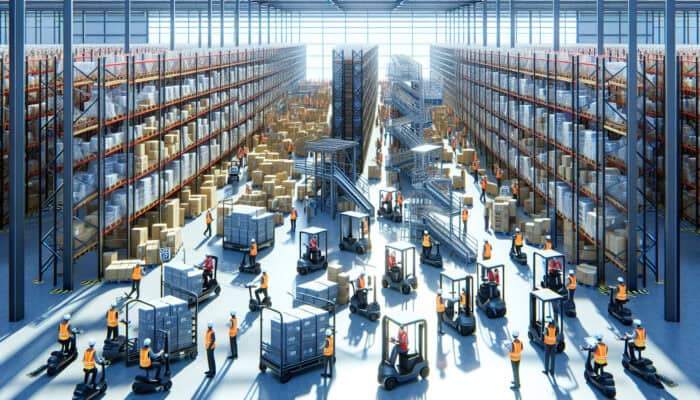
What Best Practices Should Be Followed to Achieve Low-Cost Transport?
Experts in logistics and supply chain management recommend several best practices that are crucial for achieving effective low-cost transport. Route optimisation is essential; this involves meticulously analysing delivery routes to minimise travel time and fuel consumption, thereby lowering overall expenses. Another vital practice is shipment consolidation, which allows businesses to merge multiple deliveries into a single shipment, consequently reducing the total number of trips required. Negotiating favourable rates with carriers can lead to significant savings, especially when leveraging volume discounts. For instance, a UK retailer could establish a partnership with a local logistics provider to secure a fixed-rate shipping agreement for their clearance items, resulting in substantial cost reductions over time.
Real-world examples vividly illustrate the success derived from these strategies. A prominent UK furniture retailer employed route optimisation software, achieving a 15% reduction in fuel costs. Similarly, a leading electronics distributor realised a 20% decrease in transport costs by consolidating shipments from various suppliers. These case studies emphasise the tangible benefits of adhering to best practices in low-cost transport, showcasing their effectiveness in driving business success.
How Can Businesses Successfully Implement Low-Cost Transport Strategies?
Businesses aiming to implement low-cost transport strategies should commence with a comprehensive assessment of their existing logistics operations. Identifying cost-cutting opportunities is vital; this may involve analysing transport routes, shipment sizes, and carrier agreements. Once inefficiencies are pinpointed, companies can take actionable steps, such as establishing partnerships with trustworthy transport providers specialising in clearance items. Fostering strong relationships with these providers can lead to preferential rates and improved service quality.
Moreover, investing in advanced technology, such as transport management systems (TMS), can significantly enhance operational efficiency. These systems offer invaluable data that enable businesses to make informed decisions regarding their logistics strategies. By utilising these insights, companies can continually refine their approach, ensuring they remain competitive in the dynamic landscape of clearance items.
What Common Challenges Do Businesses Encounter with Low-Cost Transport?
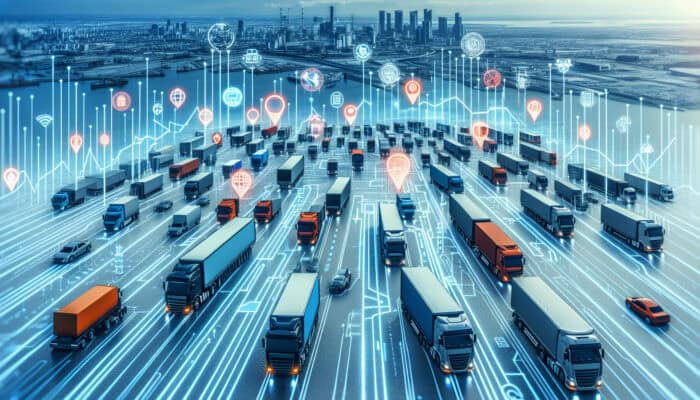
Low-cost transport presents a unique set of challenges. Fluctuating fuel prices can significantly affect logistics expenses, highlighting the importance for businesses to closely monitor market trends. Additionally, regulatory compliance represents another considerable challenge, particularly given the evolving landscape of UK transport regulations, including emissions standards and safety requirements. Companies often find themselves navigating a complex regulatory framework that complicates their transport operations.
To effectively tackle these challenges, businesses should adopt flexible planning strategies that empower them to respond swiftly to changing conditions. For instance, implementing fuel surcharges can mitigate the financial impact of escalating fuel prices. Additionally, staying informed about the latest regulatory changes through industry associations and networks can equip businesses with the necessary insights to maintain compliance while optimising their transport strategies.
What Impact Does Technology Have on Enhancing Low-Cost Transport?
Technology plays a crucial role in enhancing low-cost transport strategies. The advent of route optimisation software has revolutionised logistics, enabling companies to identify the most efficient delivery routes, significantly lowering transportation costs. Real-time tracking systems offer transparency throughout the supply chain, allowing businesses to monitor shipments and improve communication with customers.
In the UK, businesses can harness these technological advancements to their advantage. For example, a logistics firm utilising real-time tracking can provide customers with up-to-date information regarding the status of their clearance item deliveries, enhancing overall customer satisfaction. Furthermore, integrating Artificial Intelligence (AI) into transport management can facilitate predictive analytics, empowering businesses to anticipate demand for clearance items and adjust their logistics strategies accordingly. This proactive approach results in more efficient operations and reduced costs.
How Can Businesses Incorporate Sustainability into Low-Cost Transport Initiatives?
Incorporating sustainability into low-cost transport initiatives has become increasingly vital as businesses seek to balance cost efficiency with environmental responsibility. Utilising eco-friendly vehicles, such as electric or hybrid trucks, can significantly lower carbon emissions while maintaining affordable transport costs. Additionally, optimising load capacities ensures that vehicles operate at peak efficiency, further advancing sustainability efforts.
UK companies can implement various strategies to promote sustainable transport practices. For instance, a business might develop a policy prioritising the use of electric vehicles for local deliveries of clearance items, thereby minimising its carbon footprint. Collaborating with suppliers that emphasise sustainability also contributes to a greener logistics process. By embracing these sustainable practices, businesses can not only reduce costs but also enhance their brand reputation, appealing to an increasingly eco-conscious consumer base.
Investigate the Different Types of Low-Cost Transport Available in the UK
Maximise Your Efficiency with Road Transport Solutions
Road transport is widely recognised as the most common method for transporting clearance items within the UK, offering unparalleled flexibility and accessibility. The extensive network of roads and motorways caters to a variety of transport needs, making it an optimal choice for businesses looking to manage their clearance stock efficiently. A significant benefit of road transport lies in its ability to provide door-to-door delivery, especially for clearance items requiring prompt consumer access.
Leading road transport providers in the UK include:
- DPD
- TNT
- Royal Mail
- Hermes
- Yodel
- FedEx
- Transdirect
- Pallex
These providers offer a diverse range of services tailored for businesses dealing with clearance items, ensuring that logistics are managed effectively and economically. The ability to choose from multiple providers enables businesses to negotiate rates and service levels, further enhancing operational flexibility.
Unlock Cost Savings Through Rail Transport Benefits
Rail transport offers an economical solution for businesses managing bulk shipments of clearance items. The UK boasts a well-established rail network that facilitates the movement of goods over long distances, often at lower costs than road transport. This mode of transportation is especially advantageous for non-urgent items, as rail schedules provide reliable and predictable delivery times.
Utilising rail for clearance items can result in substantial cost savings, particularly for businesses needing to ship large volumes. Rail transport also alleviates road congestion and is generally considered more environmentally friendly than road transport. By capitalising on the benefits of rail logistics, UK businesses can enhance their transport strategies while advancing their sustainability objectives.
What Benefits Does Sea Transport Provide for Clearance Items?
Sea transport presents a practical option for transporting large quantities of clearance items, especially when cost efficiency is a priority. The lower unit costs associated with sea freight make it an attractive choice for businesses looking to ship goods either internationally or domestically within the UK. The capacity to handle substantial volumes simultaneously results in economies of scale, enabling businesses to reduce overall transport expenses while maintaining competitive pricing on clearance items.
Key ports in the UK facilitating sea transport include:
- Port of London
- Port of Southampton
- Port of Felixstowe
- Port of Liverpool
- Port of Bristol
- Port of Grangemouth
- Port of Hull
- Port of Portsmouth
These ports serve as vital gateways for businesses seeking to distribute clearance items, ensuring seamless logistics from ship to delivery. Additionally, sea transport frequently has a lower environmental impact than other methods, thereby enhancing the sustainability profile of businesses that choose this route.
What Key Factors Should Be Considered for Air Transport?
Air transport offers the advantage of speed and efficiency for urgent clearance items that require swift delivery. Although it typically incurs higher costs than other transport modes, the benefits associated with rapid transit can justify the expenses, especially for perishable goods or high-demand clearance items. Businesses must carefully weigh the urgency of their transport needs against the associated costs when deciding to utilise air freight.
Key airports in the UK that support air freight services include:
- Heathrow Airport
- Gatwick Airport
- Manchester Airport
- Birmingham Airport
- Edinburgh Airport
- East Midlands Airport
- Stansted Airport
- Bristol Airport
These airports facilitate both domestic and international air transport, offering businesses a range of options to expedite the delivery of clearance items. Air transport can significantly boost customer satisfaction by enabling prompt delivery and allowing businesses to react quickly to market demands.
Innovative Bicycle and Pedestrian Courier Services for Local Deliveries
Bicycle and pedestrian courier services represent an innovative and environmentally friendly approach to local deliveries, particularly for smaller clearance items. These services are becoming increasingly popular in urban settings where traffic congestion and environmental concerns are paramount. By employing bicycles or walking couriers, businesses can greatly reduce their carbon footprint while providing quick and reliable delivery options to customers.
Prominent providers of bicycle and pedestrian courier services in the UK include:
- CitySprint
- Pedal Me
- Postmates
- AnyVan
- Cycling Courier
- Deliveroo
These services offer flexibility and responsiveness, making them ideal for last-mile delivery of clearance items. As consumers increasingly seek sustainable delivery options, businesses adopting bicycle and pedestrian courier services can enhance their brand image while catering to the needs of environmentally conscious customers.
Evaluating the Environmental Impact of Low-Cost Transport
How Can Low-Cost Transport Contribute to Reducing Carbon Emissions?
Implementing low-cost transport strategies can substantially decrease carbon emissions, contributing to a smaller overall carbon footprint for businesses. Optimising delivery routes and using more efficient vehicles can minimise the ecological impact of logistics. For example, by analysing transport patterns and adjusting routes based on real-time traffic data, companies can effectively reduce unnecessary mileage and fuel consumption.
Utilising alternative fuels and innovative transport technologies further aids in curbing emissions. Many UK businesses are beginning to integrate electric and hybrid vehicles into their fleets, which produce fewer emissions compared to traditional fuel-powered vehicles. By prioritising these environmentally friendly practices, companies can not only save on transport costs but also enhance their standing as responsible corporate citizens.
What Sustainable Transport Options Are Emerging in the Industry?
As the focus on sustainability intensifies, various sustainable transport options are becoming increasingly accessible to businesses in the UK. Electric vehicles, which are progressively being adopted by logistics companies, represent one of the most promising alternatives to conventional transport methods. These vehicles are not only cost-effective in the long run due to decreased fuel and maintenance costs, but they also emit significantly lower levels of greenhouse gases.
Biofuel-powered transport is another sustainable alternative that is gaining traction. Businesses utilising biofuels can further lessen their carbon footprint while supporting the shift to renewable energy sources. Moreover, adopting practices such as load optimisation and multi-modal transport (which combines different transport methods) can enhance sustainability while maintaining cost efficiency. By embracing these sustainable transport options, businesses can align their low-cost transport strategies with their environmental objectives.
How to Ensure Compliance with UK Environmental Regulations?
Adhering to UK environmental regulations is essential for businesses that wish to remain compliant while optimising their transport methods. These regulations encompass various facets of logistics, including emissions standards and legal requirements for transporting hazardous materials. Companies must stay updated on the evolving regulatory landscape to avoid penalties and operational disruptions.
Furthermore, compliance with these regulations can enhance a company’s reputation, as environmentally conscious consumers increasingly seek out brands that demonstrate a commitment to sustainability. By incorporating compliance into their low-cost transport strategies, businesses can achieve operational efficiency while bolstering their corporate social responsibility profile.
Conducting a Comprehensive Cost-Benefit Analysis of Low-Cost Transport
What Financial Benefits Can Be Realised Through Low-Cost Transport?
The financial benefits of low-cost transport can be substantial, potentially leading to significant improvements in a business’s profitability. By adopting low-cost transport strategies, companies can achieve considerable reductions in shipping costs, allowing them to maintain competitive pricing on clearance items. Lower transportation expenses directly translate to increased margins, enabling businesses to reinvest in operations, marketing, or product development.
Additionally, providing attractive pricing on clearance items can draw a larger customer base, resulting in increased sales. In a market where consumers are increasingly price-sensitive, low-cost transport can enhance a company’s attractiveness and market share. For example, a UK-based retailer that successfully lowers transport costs may be able to reduce prices on clearance items, thus appealing to a broader customer demographic and ultimately boosting overall revenue.
How to Evaluate ROI on Transport Investments?
Calculating the return on investment (ROI) for transport investments is crucial for businesses seeking to assess the effectiveness of their logistics strategies. To achieve this, companies should compare transport costs with the savings realised from reduced shipping expenses and increased sales driven by effective clearance item management. A positive ROI signifies a successful investment in transport solutions, while a negative ROI may necessitate a reassessment of logistics strategies.
For instance, a business investing in a transport management system may initially incur high costs but can realise substantial savings over time through enhanced efficiency and decreased shipping expenses. By diligently monitoring these metrics, companies can refine their transport strategies, ensuring a continual focus on cost-effectiveness while meeting customer demands.
What Long-Term Savings and Efficiency Can Be Achieved?
Over time, the implementation of low-cost transport solutions can yield significant long-term savings and improved operational efficiency. By streamlining logistics, companies can reduce overheads associated with shipping costs, thus enhancing profitability. Furthermore, the efficiencies gained from optimised transport routes and consolidated shipments can lead to faster delivery times, further improving customer satisfaction and loyalty.
As businesses continue to refine their logistics strategies, the cumulative savings from low-cost transport can be reinvested into various areas of the company, fostering growth and innovation. This emphasis on long-term savings not only benefits the bottom line but also positions businesses to effectively respond to evolving market dynamics.
Research-Backed Insights on the Advantages of Low-Cost Transport for Clearance Items
What Does Research Reveal About Cost Savings in Transport?
Research indicates that companies adopting low-cost transport strategies can realise remarkable cost savings, with studies showing potential reductions of up to 30% in shipping expenses. This impressive statistic underscores the importance of optimising logistics in a competitive marketplace. Expert analyses suggest that businesses prioritising low-cost transport can enhance operational efficiency, leading to improved profit margins and heightened customer satisfaction.
Additionally, companies actively seeking low-cost transport options often find that their overall supply chain becomes more agile and responsive. This agility allows businesses to adapt swiftly to prevailing market trends and consumer demands, further reinforcing the benefits of low-cost transport strategies.
How Does Low-Cost Transport Impact Customer Satisfaction?
Research also highlights the positive correlation between low-cost transport and elevated levels of customer satisfaction. Faster and more affordable delivery options for clearance items significantly contribute to customer loyalty and retention. As consumers increasingly expect rapid delivery, businesses adept at efficiently managing their low-cost transport strategies are better positioned to meet these expectations.
Moreover, companies providing transparent tracking and timely communication regarding delivery statuses can further enhance the customer experience. By prioritising low-cost transport solutions, businesses can attract and retain customers, ultimately driving long-term success.
What is the Competitive Advantage of Low-Cost Transport?
Utilising low-cost transport can be transformative for businesses striving to remain competitive in the UK market. By offering better prices and quicker delivery times for clearance items, companies can differentiate themselves from their competitors. This competitive advantage is particularly significant in sectors where price sensitivity is critical, such as retail and consumer goods.
Furthermore, businesses that effectively leverage low-cost transport strategies can strengthen their market presence and brand image. As consumers increasingly gravitate towards brands that deliver value and reliability, those excelling in logistics and transport are well-positioned for success in a crowded marketplace.
Examining Case Studies of Successful Low-Cost Transport in the UK
What Success Stories Emerge from the UK Retail Sector?
Numerous UK retailers have achieved remarkable success by implementing low-cost transport strategies for their clearance items. A notable example involves a renowned fashion retailer that optimised its delivery routes and established partnerships with local couriers. This initiative enabled the company to reduce transport costs by 25%, allowing them to pass on savings to customers and significantly increase clearance item sales.
Another success story features an electronics retail chain that consolidated shipments from multiple suppliers, resulting in substantial reductions in logistics costs. This strategy not only improved inventory turnover but also enhanced customer satisfaction by ensuring the timely delivery of clearance items. These examples emphasise how effective low-cost transport strategies can yield tangible benefits for retailers.
How Have Manufacturing Industries Benefited from Low-Cost Transport Solutions?
The UK manufacturing sector has also experienced the advantages of low-cost transport solutions. A leading automotive manufacturer adopted a strategy focused on rail transport for bulk shipments of clearance parts. This decision resulted in significant cost savings, enabling the company to reinvest in innovation and product development.
Additionally, a furniture manufacturer that utilised an eco-friendly transport fleet to distribute clearance items saw a marked improvement in brand reputation and customer loyalty. By aligning their logistics practices with sustainability goals, these manufacturers not only reduced costs but also positioned themselves favourably in a competitive market.
What Key Lessons Can Be Derived from These Case Studies?
Key takeaways from these case studies highlight the importance of flexibility and strategic partnerships in low-cost transport. Retailers that embraced route optimisation and collaborative logistics realised significant savings and enhanced customer satisfaction. Moreover, companies prioritising sustainability in their transport strategies not only reduced costs but also bolstered their brand image.
Continuous improvement in transport logistics remains essential, as businesses must stay agile in response to changing market conditions. These case studies provide compelling evidence of the effectiveness of well-planned low-cost transport strategies in driving business success.
What Innovations Are Emerging in the Service Industry?
Service companies in the UK have also adopted innovative low-cost transport solutions to enhance customer service and operational efficiency. For instance, a local courier service implemented a fleet of electric delivery vehicles, significantly lowering transport costs and carbon emissions. This decision not only attracted environmentally conscious consumers but also positioned the company as a leader in sustainable logistics.
Moreover, on-demand service providers have leveraged technology to optimise their transport operations. By employing real-time tracking and route optimisation software, these businesses ensure timely delivery of clearance items while minimising expenses. The examples set by these innovative service companies highlight the value of adopting low-cost transport solutions across various sectors.
Frequently Asked Questions about Low-Cost Transport
What is Low-Cost Transport?
Low-cost transport refers to affordable logistics options for moving goods that significantly reduce expenses, particularly for clearance items, thereby enhancing operational efficiency and profitability.
Why Are Clearance Items Important for Businesses?
Clearance items help businesses clear excess inventory and attract price-sensitive customers, thereby boosting revenue and sustaining market presence.
How Can Businesses Effectively Implement Low-Cost Transport Strategies?
Businesses can begin by assessing their current logistics operations, identifying inefficiencies, partnering with reliable transport providers, and investing in technology to streamline processes and reduce costs.
What Challenges Do Businesses Face with Low-Cost Transport?
Common challenges include fluctuating fuel prices and regulatory compliance. Adopting flexible planning strategies and staying informed about regulations can help mitigate these issues.
What Role Does Technology Play in Enhancing Logistics?
Technologies such as route optimisation software and real-time tracking systems significantly improve logistics efficiency and transparency, assisting businesses in effectively managing low-cost transport.
How Can Sustainability Be Incorporated into Transport Practices?
Businesses can integrate eco-friendly vehicles, optimise load capacities, and prioritise sustainable practices to harmonise cost efficiency with environmental responsibility.
What Financial Benefits Does Low-Cost Transport Provide?
Low-cost transport significantly lowers shipping costs, enabling businesses to offer competitive pricing on clearance items, thus enhancing profit margins.
How Can Businesses Assess ROI on Transport Investments?
Calculating ROI involves comparing transport costs against savings and increased sales, allowing businesses to evaluate the effectiveness of their logistics strategies over time.
What Does Research Indicate About Cost Savings in Transport?
Studies indicate that businesses employing low-cost transport can achieve savings of up to 30% on shipping costs, enhancing operational efficiency and profit margins.
How Does Low-Cost Transport Influence Customer Satisfaction?
Efficient and low-cost transport enables faster, more economical delivery of clearance items, thereby enhancing customer satisfaction and loyalty, which are essential for business success.
Connect with us on Facebook!
The Article: Low-Cost Transport for Clearance Items: UK Solutions Was First Found At https://birminghamhouseclearance.com
The Article Affordable Transport Solutions for Clearance Items in the UK Was Found On https://limitsofstrategy.com