Unlock Your Knowledge: A Comprehensive Guide to Cholesterol Blood Tests in the UK
What Are the Key Components of a Cholesterol Blood Test?
Private Cholesterol Blood Test in Leicester: A cholesterol blood test is a fundamental medical assessment designed to evaluate the levels of different types of cholesterol and fats, collectively known as lipids, present in your bloodstream. This test is vital for assessing heart health and identifying potential risks of cardiovascular disease. In the UK, particularly in Leicester, these tests are widely accessible through NHS services, ensuring timely identification of elevated cholesterol levels. Recognising the importance of early detection can lead to lifestyle changes that significantly improve health outcomes and substantially reduce the risk of heart-related issues.
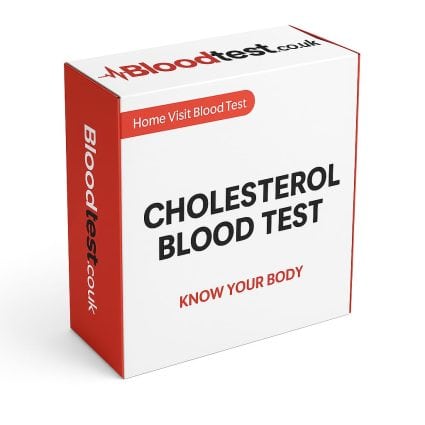

Understanding cholesterol is essential for making informed health choices. Several crucial risk factors contribute to increased cholesterol levels, which include:
- Unhealthy diet, particularly one rich in saturated fats
- Lack of physical activity
- Smoking
- Obesity
- Genetics or a family history of high cholesterol
- Age and gender (with men generally at higher risk at younger ages)
- Diabetes or other health conditions
- Excessive alcohol consumption
Regular monitoring of these factors through a cholesterol blood test empowers individuals in Leicester and beyond to actively manage their health and effectively reduce risks.
Discovering the Various Types of Cholesterol Tests Available
In the UK, there is a range of cholesterol blood tests, each tailored to diagnose specific lipid-related health concerns. The most prevalent tests include total cholesterol assessments, which determine the overall cholesterol content in the blood, alongside specific tests for High-Density Lipoprotein (HDL) cholesterol, often termed ‘good’ cholesterol. Additionally, the levels of Low-Density Lipoprotein (LDL), commonly referred to as ‘bad’ cholesterol, are also analysed, as high levels can lead to plaque accumulation in arteries.
In Leicester, local clinics and NHS services provide residents with dependable access to prompt cholesterol testing. The emphasis on routine testing aligns with UK health guidelines, advocating for regular monitoring of cholesterol levels to enhance heart health management. Furthermore, advanced lipid panels can evaluate triglycerides, another type of fat in the blood that can notably impact cardiovascular risk. These comprehensive tests aid healthcare providers in crafting personalised health plans based on unique cholesterol profiles.
Why Is Regular Cholesterol Testing Vital for Your Wellbeing?
Regular cholesterol testing is indispensable for safeguarding optimal cardiovascular health, particularly for adults living in areas such as Leicester. The NHS advises these routine checks, which are crucial for preventing heart disease by facilitating the early detection of abnormalities. High cholesterol often lacks visible symptoms; hence, routine testing is essential for uncovering hidden risks that could lead to severe health complications in the future.
Maintaining a consistent testing schedule allows individuals to track fluctuations in their cholesterol levels over time. This proactive strategy enables timely interventions, including dietary adjustments or medication modifications. For Leicester residents, prioritising preventive care through regular testing not only boosts personal health but also supports wider public health initiatives. By following UK health recommendations, individuals can more effectively manage their cholesterol levels, ultimately paving the way for a healthier lifestyle and a diminished risk of cardiovascular diseases.
What Steps Are Involved in Conducting a Cholesterol Blood Test?
What Can You Anticipate During the Testing Process?
During a cholesterol blood test, a healthcare professional will perform a simple blood draw from your arm. This procedure typically takes only a few minutes and takes place in a clinical environment, such as a hospital or community health centre in Leicester. Most patients experience minimal discomfort, comparable to that of a standard vaccination, which can help ease any apprehension about the testing procedure.
Once the blood sample is obtained, it is forwarded to a laboratory for thorough analysis. The turnaround time for results is generally swift, particularly when processed through NHS pathways. In Leicester, patients can usually expect to receive their results within a few days, facilitating prompt follow-up consultations with their healthcare providers. This efficiency in processing and communicating results is crucial for ensuring individuals quickly understand their cholesterol levels and take necessary actions.
What Are the Recommended Preparation Steps Before Testing?
Yes, there are specific preparation steps advisable before undergoing a cholesterol blood test. In the UK, it is commonly recommended that patients fast for 9 to 12 hours prior to the test to ensure accurate readings. This fasting period typically involves refraining from all food and drink, except for water. For individuals in Leicester, consulting with a General Practitioner (GP) can provide personalised guidance on fasting and any additional preparations tailored to individual health conditions.
Fasting is critical because the presence of food in the bloodstream can affect lipid levels, potentially resulting in inaccurate outcomes. For those with existing health issues or medications that may influence cholesterol levels, pre-test consultations are particularly vital. By strictly adhering to these instructions, patients can ensure that their results accurately reflect their true cholesterol levels, facilitating more precise evaluations and appropriate health interventions.
How Are the Results of a Cholesterol Test Interpreted?
Once the results of the cholesterol blood test are available, UK health professionals interpret them according to established national standards. Cholesterol levels are categorised as normal, borderline high, or high based on measurements of total cholesterol, LDL, HDL, and triglycerides. This classification assists patients in Leicester in understanding their risk profile and aids healthcare providers in planning suitable interventions.
For instance, a total cholesterol level below 5.0 mmol/L is generally regarded as healthy, while levels exceeding this threshold may necessitate lifestyle modifications or medication. The analysis of HDL and LDL cholesterol offers further insights: higher HDL levels are desirable, whereas elevated LDL levels indicate a heightened risk of cardiovascular disease. Comprehending these results empowers Leicester residents to take an active role in managing their health and collaborating with healthcare providers to establish a clear pathway toward enhanced wellbeing.
Expert Perspectives on Cholesterol Blood Testing in Leicester
Insights on the Precision of Cholesterol Tests
Cholesterol blood tests conducted in Leicester benefit from advanced laboratory techniques that ensure reliable results. Equipped with state-of-the-art technology and staffed by highly trained professionals, local health services provide precise assessments of cholesterol levels. This accuracy is paramount, as it lays the groundwork for effective interventions and management strategies tailored to individual needs.
For example, studies conducted in Leicester have demonstrated improved detection rates of abnormal cholesterol levels, resulting in significantly better patient outcomes. Healthcare providers emphasise the significance of selecting accredited laboratories to ensure quality control in testing processes. Individuals should inquire about the laboratory’s certifications and the protocols implemented during testing. By validating test quality, residents can trust that their results accurately reflect their true health status, leading to informed decisions regarding lifestyle changes and treatment options.
Key Factors Influencing Cholesterol Test Results
Several factors can affect the outcomes of cholesterol blood tests, and understanding these elements can aid individuals in Leicester in effectively managing their health. Diet is a major contributor; a diet high in saturated fats can elevate LDL levels, while a diet abundant in fruits, vegetables, and healthy fats can enhance overall cholesterol levels. Genetics also plays a significant role, with some individuals genetically predisposed to higher cholesterol levels regardless of lifestyle choices.
Local health data from Leicester indicates that community dietary habits often correlate with cholesterol levels. For instance, residents who adopt the Mediterranean diet, known for its heart-healthy benefits, generally exhibit better cholesterol control. Additionally, successful community health initiatives focusing on promoting physical activity and nutritious eating have led to notable improvements in cholesterol levels among Leicester’s population. Real-world examples highlight that targeted lifestyle changes can yield better health outcomes and lower cardiovascular risk, empowering individuals to take charge of their health.
The Advantages of Consulting Specialists for Cholesterol Management
In the UK, seeking guidance from specialists after a cholesterol blood test offers substantial benefits for patients in Leicester. Specialists can provide tailored recommendations based on individual results, helping interpret findings within the broader context of the patient’s overall health. This level of personalised care is essential for navigating treatment options, whether through lifestyle changes, medications, or a combination of both.
Beyond interpreting test results, specialists can assist patients in developing actionable plans that integrate insights into their daily routines. This may involve nutritional counselling, exercise prescriptions, and ongoing monitoring strategies. For instance, a patient may be encouraged to incorporate more fibre-rich foods or increase physical activity levels. The expertise of specialists empowers individuals to make informed decisions, ultimately leading to improved health outcomes and better cholesterol management.
Emerging Innovations in Cholesterol Testing Technology
The landscape of cholesterol testing in the UK is evolving, with Leicester at the forefront of adopting innovative technologies. Point-of-care devices that facilitate rapid cholesterol testing are gaining traction, allowing for immediate results during a medical consultation. This advancement enhances accessibility and reduces the need for multiple appointments, simplifying the process for Leicester residents to stay informed about their health.
Moreover, digital health innovations are streamlining cholesterol testing by simplifying appointment scheduling and result retrieval via online platforms. Patients can receive personalised reminders for follow-up tests based on their cholesterol levels, ensuring continuous monitoring. Staying informed about these trends empowers individuals to take proactive steps in their health management, underscoring the significance of regular cholesterol testing as a vital component of preventive healthcare.
What Are the Key Benefits of Undergoing Cholesterol Testing?
How Does Timely Detection Positively Impact Your Health?
Detecting high cholesterol early through testing is critical for preventing serious cardiovascular complications. In the UK, timely identification enables immediate lifestyle changes or medical interventions that can significantly lower the risk of heart disease. For individuals residing in Leicester, this proactive approach enhances the likelihood of recognising and addressing risk factors before they escalate into more serious health issues.
Research indicates that individuals who regularly monitor their cholesterol levels are more likely to adhere to healthful lifestyle practices, thereby promoting long-term wellbeing. By understanding their cholesterol levels early on, individuals can make informed decisions regarding diet, exercise, and other factors that influence cardiovascular health. Early detection not only improves health outcomes but also fosters a culture of preventive care that benefits the broader community in Leicester.
What Lifestyle Changes Often Follow Cholesterol Testing?
Cholesterol testing frequently acts as a springboard for significant lifestyle improvements among individuals in the UK. Following their results, many patients feel motivated to adopt healthier eating habits and increase their physical activity levels. The Mediterranean diet, which is gaining popularity in Leicester, exemplifies a heart-healthy approach that emphasises whole foods, healthy fats, and lean proteins.
Implementing these dietary changes can yield numerous benefits, including:
- Reduced LDL cholesterol levels
- Improved HDL cholesterol levels
- Enhanced weight management
- Lowered blood pressure
- Improved overall energy levels
- Decreased risk of heart disease
- Improved mental health
- Increased longevity
These lifestyle improvements not only enhance individual health but also contribute to a healthier community in Leicester, as residents share their experiences and motivate one another to make positive changes.
Is Cholesterol Testing Economically Viable in the UK?
Indeed, cholesterol testing is an economically sensible health measure in the UK, notably since the NHS covers many services. For Leicester residents, accessing these tests through NHS facilities ensures affordability and promotes regular monitoring. Early detection and intervention can lead to substantial savings on future healthcare costs by preventing the onset of more serious conditions that necessitate extensive treatment.
Structured health plans that incorporate regular cholesterol testing can ultimately lower healthcare expenditures for both individuals and the NHS. By addressing health issues at an early stage, patients are less likely to require expensive medications or surgeries down the line. This proactive approach supports not only individual financial wellbeing but also the sustainability of public health resources, rendering cholesterol testing a wise investment in personal and communal health.
How Does Testing Contribute to Personal Health Education?
Cholesterol testing plays a pivotal role in enhancing personal health education for individuals in Leicester. By engaging in this process, patients gain valuable insights into their health risks, empowering them to make informed choices regarding diet, exercise, and potential medication. Awareness of cholesterol levels fosters greater self-understanding, enabling individuals to take charge of their health and lifestyle decisions.
Moreover, cholesterol testing often leads to educational initiatives within communities. Healthcare providers may offer workshops or resources that clarify the significance of cholesterol management and its impact on overall health. This educational approach encourages sustainable habits, reduces the likelihood of severe health events, and promotes a culture of preventive healthcare within Leicester. Ultimately, informed individuals are better equipped to make choices that lead to long-term health improvements.
Research-Driven Benefits of Cholesterol Blood Testing in Leicester
How Does Research Reinforce the Importance of Testing?
Research consistently underscores the vital role of cholesterol testing in reducing mortality rates associated with cardiovascular disease. UK studies demonstrate that early detection of high cholesterol can lead to more effective management strategies, significantly decreasing the incidence of heart-related complications. Research conducted in Leicester highlights the necessity of adhering to evidence-based protocols for cholesterol management.
Local studies provide actionable steps for patients, emphasising the necessity of regular testing and lifestyle adjustments. These findings motivate residents to engage in preventive care actively, utilising the health information gleaned from testing to make informed decisions about their wellbeing. By integrating research into practice, individuals can effectively manage their cholesterol levels and enhance their long-term health outcomes.
What Evidence Supports Long-Term Health Benefits?
Long-term studies in the UK indicate that individuals who engage in regular cholesterol monitoring experience sustained health improvements. For example, participants from Leicester who adhered to routine testing and made lifestyle changes based on their results reported significant reductions in cholesterol levels and enhanced overall health. These real-world examples highlight the tangible benefits of consistent monitoring and proactive health management.
Actionable steps derived from long-term trials encourage individuals to establish personal health goals and maintain regular follow-ups with healthcare providers. By committing to ongoing cholesterol testing and lifestyle adjustments, Leicester residents can experience lasting improvements that not only enhance individual health but also contribute to the community’s overall wellbeing.
Integrating Research Insights into Personal Health Practices
Integrating research findings into personal healthcare is crucial for effective cholesterol management. Experts recommend that individuals in Leicester utilise proven methods based on studies to monitor their cholesterol levels and prevent complications. This includes establishing regular testing schedules, implementing dietary changes, and engaging in physical activities tailored to individual health needs.
By combining research-backed strategies with personal health objectives, residents can develop comprehensive plans for managing their cholesterol effectively. This proactive approach empowers individuals to take control of their health, ensuring they make informed decisions based on the latest scientific evidence. Local health services can facilitate this integration by providing resources and educational materials that enhance understanding and application of research findings in daily life.
The Role of Cholesterol Testing in Preventive Healthcare Strategies
Cholesterol testing is a fundamental aspect of preventive healthcare in the UK, with significant implications for individuals residing in Leicester. Research underscores the preventive advantages of routine cholesterol testing, illustrating how early detection can mitigate the risks associated with heart disease. By implementing regular screening protocols, healthcare providers empower individuals to engage in lifestyle changes that lead to long-term health enhancements.
The ability to identify high cholesterol levels early facilitates timely interventions, reducing the risk of more severe cardiovascular complications. Furthermore, preventive healthcare initiatives within Leicester promote a community-wide commitment to health, fostering awareness and understanding of the importance of cholesterol management. This prevention-centric culture cultivates a healthier population and contributes to improved public health outcomes.
Why Is Leicester a Prime Location for Your Cholesterol Testing Needs?
What Local Facilities Are Accessible for Cholesterol Testing?
Leicester is home to numerous state-of-the-art clinics providing comprehensive cholesterol testing services. NHS facilities are strategically located throughout the city, offering convenient access for residents seeking timely and effective healthcare. Many clinics provide quick appointment slots, ensuring that individuals can undergo testing without lengthy wait times. This accessibility is vital for fostering a culture of health awareness and proactive management among the population.
Local health centres frequently offer a variety of services, including consultations with healthcare professionals who specialise in cholesterol management. These clinics not only conduct blood tests but also provide educational resources, enabling patients to understand their results and make informed decisions regarding their health. By selecting Leicester for cholesterol testing, individuals gain from a supportive healthcare environment dedicated to promoting cardiovascular health.
How Does Geographic Location Affect Access to Health Services?
Leicester’s central location within the UK enhances accessibility for residents seeking cholesterol testing and related healthcare services. The city’s transportation infrastructure facilitates shorter travel times to clinics and hospitals, thereby minimising barriers to obtaining essential health screenings. This integrated service model promotes a seamless experience, allowing patients to combine testing with access to community health resources.
Moreover, Leicester’s commitment to public health initiatives ensures that residents are well-informed about available services and the importance of routine cholesterol monitoring. Local campaigns frequently promote testing events, educational workshops, and support groups that further enhance accessibility and encourage community engagement in health management. By leveraging local resources, individuals can prioritise their health with greater ease.
What Distinct Benefits Does Leicester Provide for Cholesterol Testing?
Leicester offers unique advantages for residents seeking cholesterol testing, thanks to its dedicated health initiatives that prioritise personalised support. The local NHS services are designed to deliver tailored care, ensuring that follow-up sessions align with national guidelines and cater to individual needs. This personalised approach is crucial for helping residents achieve optimal cholesterol management.
Additionally, Leicester’s community-focused healthcare model encourages collaboration between patients and healthcare providers. Local initiatives often involve group education sessions and support networks, fostering a sense of community that motivates individuals to actively engage in their health management. By choosing Leicester for cholesterol testing, individuals gain access to comprehensive resources that empower them throughout their health journey.
Crucial Preparations for Your Cholesterol Blood Test in the UK
What Dietary Guidelines Should You Adhere to Before Testing?
Before undergoing a cholesterol blood test, it is advisable to follow specific dietary guidelines to ensure the accuracy of the results. UK health guidelines recommend avoiding fatty foods in the days leading up to the test. For those in Leicester, planning meals that support overall heart health is essential. This involves focusing on a diet rich in fruits, vegetables, whole grains, and lean proteins.
Specifically, individuals should consider limiting saturated and trans fats found in processed foods, red meats, and fried items. Instead, incorporating healthier fats from sources such as olive oil, nuts, and fish can promote better cholesterol levels. Staying well-hydrated with water is also crucial during this preparation phase. By following dietary advice before testing, Leicester residents can help ensure that their cholesterol levels accurately reflect their true health status, leading to more precise assessments and tailored health recommendations.
How Can You Manage Anxiety Related to Cholesterol Testing?
Managing anxiety surrounding cholesterol blood tests is essential for a positive experience, as many individuals feel apprehensive about the procedure. In the UK, relaxation techniques can be highly effective in alleviating nerves. Leicester patients can benefit from local support groups or workshops that provide strategies for managing anxiety prior to medical appointments.
Practices such as deep breathing exercises, mindfulness meditation, or engaging in physical activity can help calm nerves. Additionally, discussing concerns with healthcare providers can offer reassurance and clarity about the testing process. Preparing mentally and emotionally for the test not only mitigates anxiety but also contributes to a smoother overall experience. By utilising available resources, Leicester residents can approach their cholesterol testing with confidence.
What Follow-Up Steps Should You Take After the Test?
After undergoing a cholesterol blood test, it is crucial to consult a healthcare provider to discuss the results and any necessary next steps. In the UK, this follow-up consultation allows individuals in Leicester to gain insights into their cholesterol levels and comprehend the implications for their health. Based on the findings, healthcare professionals can recommend lifestyle changes, medications, or further tests if required.
Implementing changes post-test is vital for effectively managing cholesterol levels. Individuals should actively engage in discussions about actionable steps to enhance their health, whether that involves modifying dietary habits, increasing physical activity, or adhering to prescribed medications. By taking proactive measures based on test results, Leicester residents can significantly improve their health outcomes and overall quality of life.
Common Questions Regarding Cholesterol Testing
What Is a Cholesterol Blood Test?
A cholesterol blood test measures cholesterol and other fats in your blood to assess cardiovascular health and identify potential risks.
How Frequently Should I Schedule Cholesterol Testing?
It is generally recommended that adults have their cholesterol levels checked at least every 4 to 6 years, or more often if they are at higher risk.
What Dietary Choices Should I Make Before a Cholesterol Test?
It is advisable to avoid fatty foods for a few days prior to the test. Focus on a healthy diet rich in fruits, vegetables, and whole grains.
How Long Will It Take to Receive Results from a Cholesterol Test?
In Leicester, results are typically available within a few days of the test, allowing for prompt follow-up consultations.
What Do the Results of a Cholesterol Test Indicate?
Results indicate levels of total cholesterol, LDL, HDL, and triglycerides, categorising them as normal, borderline, or high, which helps assess cardiovascular risk.
Can Lifestyle Changes Impact My Cholesterol Levels?
Yes, adopting a healthier diet, increasing physical activity, and quitting smoking can significantly enhance cholesterol levels.
Does the NHS Cover Cholesterol Tests?
Yes, cholesterol tests are typically covered by the NHS, making them accessible to residents of Leicester at no direct cost.
What Are the Implications of High Cholesterol Levels?
If results indicate high cholesterol, healthcare providers may recommend lifestyle changes or medications to manage the condition effectively.
Is Fasting Necessary Before a Cholesterol Test?
Fasting for 9 to 12 hours is often recommended before a cholesterol test to ensure accurate results.
How Can I Lower My Cholesterol Levels?
Lowering cholesterol levels can be achieved through dietary changes, regular exercise, and, if necessary, medications prescribed by a healthcare provider.
Connect with Us on Facebook!
This Article Was First Found On https://bloodtest.co.uk
The Article Cholesterol Blood Test: Essential Information for Leicester Residents found first on https://electroquench.com