Elevate Your Skills in Minimalist Food Presentation
What Key Components Define Effective Simple Plating Techniques?
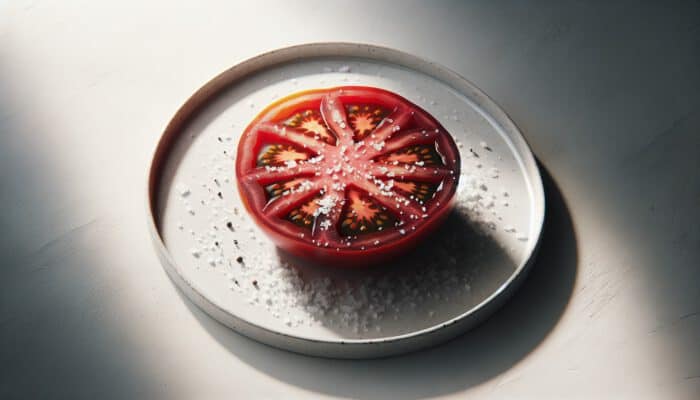
Minimalist food aesthetics emphasise clean lines and neutral colours, allowing the inherent beauty of each ingredient to shine. The essence of simple plating techniques lies in the thoughtful arrangement and presentation of food, which encourages each element to stand out and captivate attention. For instance, a single slice of heirloom tomato, delicately dusted with sea salt on a pristine white plate, creates a striking visual impression without overwhelming the senses with excessive details. Everyday examples, such as a beautifully halved avocado drizzled with lime juice, elegantly exhibit the ingredient’s rich texture and vibrant hue, inviting diners to appreciate the beauty of simplicity.
Throughout cafes globally, especially in vibrant cities like Tokyo and Melbourne, minimalist presentations often take precedence, where the aesthetic quality of food surpasses ornate decorations. By stripping away distractions and honing in on the ingredients, the dining experience evolves into an intimate and contemplative affair, allowing the natural flavours to emerge and be savoured.
What Are the Foundational Principles of Minimalism in Meals?
The essence of minimalism in meals centres around fewer components that create a well-balanced look. Each ingredient should fulfil a distinct purpose, contributing to the overall aesthetic while enhancing texture and form. For example, a bowl of ramen can be simplified to just noodles, broth, and a perfectly sliced soft-boiled egg, enabling diners to appreciate each flavour without being overwhelmed by unnecessary extras.
This minimalist approach transforms the dining experience into an invitation to indulge in the flavours, encouraging mindfulness and fostering appreciation for ingredients in their purest forms. Minimalism encourages deeper engagement with our food, making every bite a thoughtful moment of enjoyment that lingers long after the meal is concluded.
How Can a Streamlined Approach Enrich Your Dining Experience?
Adopting a streamlined approach to food aesthetics can significantly enhance your overall dining experience. By minimising visual clutter, this style fosters mindfulness in eating, allowing the unique flavours of each ingredient to take centre stage. A minimalist plate not only offers a visually appealing presentation but also simplifies the cooking process, making meal preparation less daunting and much more enjoyable.
For instance, when serving a straightforward salad, utilising just fresh greens, a sprinkle of seeds, and a drizzle of high-quality olive oil highlights the freshness of the ingredients while ensuring quick preparation. This method cultivates a relaxed and enjoyable cooking environment, allowing diners to concentrate on their meal and nurturing a deeper connection with each bite they take.
Professional Insights: Essential Tips for Perfecting Minimalist Food Aesthetics
What Innovative Strategies Can Simplify Food Layouts?
Professional chefs frequently employ innovative strategies in arranging dishes to uphold minimalist aesthetics. Spacing and balance are crucial; a well-plated dish should provide ample breathing space, allowing the eye to appreciate each component fully. Instead of crowding multiple items onto a plate, consider placing a single protein next to a vibrant vegetable purée or a scattering of microgreens for an elegant touch that elevates the dish.
Actionable techniques include utilising tools like tweezers or small spoons for precise placement, helping maintain that clean and organised appearance. For instance, when plating a dessert, a beautifully rounded scoop of sorbet can be positioned off-centre on a rectangular plate, complemented by a few carefully placed drizzles of sauce, enhancing the dish's visual appeal without overwhelming the senses.
How Does Colour Influence Food Aesthetics?
Colour plays a pivotal role in minimalist food design, drawing attention to key ingredients while fostering a tranquil atmosphere during meals. A restricted colour palette can create harmony on a plate; for example, pairing bright green asparagus with a pale white sauce and a sprinkle of pink Himalayan salt. This simple yet effective use of colour enhances the visual experience, rendering each dish more inviting and appealing.
Expert analysis suggests that effective combinations often incorporate striking contrasts, such as the deep purple of eggplant against a muted beige plate, which accentuates the food while adding depth to the presentation. Additionally, seasonal colours can evoke a sense of freshness and connection to the environment, ensuring that every meal feels special and significant.
What Essential Tools Can Elevate Minimalistic Food Designs?
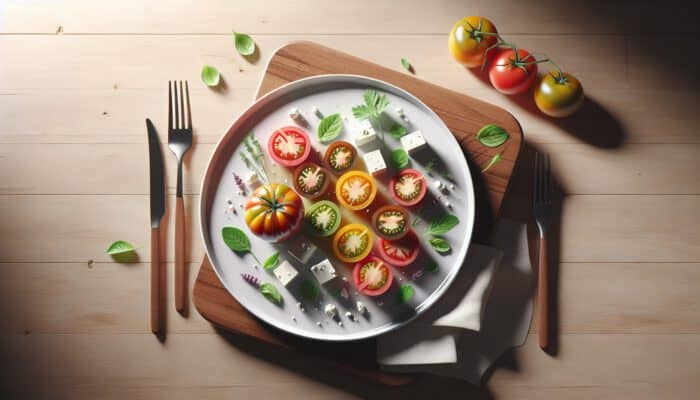
Crucial tools for achieving minimalist food presentation encompass plain plates and simple utensils. The selection of dinnerware plays a vital role in supporting clean aesthetics, enabling the food to remain the focal point. Choosing plates with subtle textures or matte finishes can enhance the overall presentation while maintaining elegance.
For instance, a simple white plate can amplify the vibrancy of a salad composed of heirloom tomatoes, fresh herbs, and feta cheese, creating a visually striking contrast that beckons diners to indulge. These tools facilitate sophisticated arrangements, making it easy for anyone to achieve a polished look in their home kitchens.
Why Is Negative Space Vital in Plating?
Negative space serves as a powerful element in minimalist food aesthetics, drawing attention to key components while allowing for a balanced presentation. By incorporating ample empty areas around food items, chefs create a sense of elegance and simplicity that diminishes visual noise. The deliberate use of negative space can evoke feelings of serenity, making the meal feel more refined and intentional.
To effectively implement negative space, consider utilising larger plates or bowls that provide room for food to be spread out. For instance, when plating a pasta dish, leaving a portion of the plate untouched enhances the presentation, making each serving look intentional and sophisticated. This technique not only elevates the aesthetic but also encourages diners to appreciate every bite fully.
How Can Sustainability Be Integrated into Minimalist Food Design?
Incorporating sustainable practices into minimalist food design is an excellent way to enhance both visual appeal and environmental responsibility. Opting for organic materials for plating and prioritising local, seasonal ingredients contribute to an eco-friendly approach that aligns harmoniously with the minimalist ethos. By concentrating on quality over quantity, chefs can create stunning presentations that not only look appealing but also benefit the planet.
For example, utilising biodegradable containers for serving takeout meals allows for a minimalist aesthetic while reducing waste. Furthermore, employing every part of an ingredient, such as beet greens or carrot tops, can elevate the presentation and showcase a commitment to sustainability. This seamless integration of eco-friendly practices ensures that minimalism remains a timeless philosophy in both food and life.
What Steps Should You Follow to Achieve Minimalist Plating?
How to Create Balanced Compositions When Plating?
To create balanced compositions when plating, begin by identifying the key elements you wish to highlight. Layer ingredients thoughtfully, ensuring each component stands out while harmonising with the overall design. For instance, when presenting a dish, consider placing a protein in the centre, surrounded by seasonal vegetables arranged strategically to enhance visual appeal.
A helpful method is to apply the rule of thirds, where the plate is divided into three sections, with the primary component occupying the central space, flanked by complementary sides. This arrangement fosters a visually appealing balance that invites diners to engage with every element on the plate. Remember, the goal of minimalist plating is to celebrate each ingredient and its unique characteristics.
What Materials Are Ideal for Plating?
When it comes to plating, materials like matte surfaces work exceptionally well to complement simple foods. Matte finishes reduce glare and allow the textures and flavours of the food to take centre stage without distractions. For example, a matte black plate provides a striking backdrop for light-coloured foods, enhancing the overall presentation significantly.
Ceramic or stoneware options with subtle textures can also add depth without overwhelming the dish. Conversely, shiny surfaces may reflect light and create distractions that are counterproductive for minimalist aesthetics. Selecting the right materials plays a pivotal role in achieving a clean and sophisticated appearance that captivates diners.
What Tips Can Help You Implement Minimalist Aesthetics at Home?
Applying minimalist aesthetics to everyday meals at home is easier than you might imagine. Start by using household items creatively; a simple wooden board can serve as a rustic base for cheese and charcuterie, while a plain white bowl can beautifully showcase a vibrant salad.
Incorporating just a few ingredients and arranging them thoughtfully can elevate even the most basic meals. For instance, a breakfast bowl with oatmeal, fresh fruit, and a sprinkle of nuts can be artfully arranged to create a visually enticing start to your day. This straightforward approach fosters a calming routine, encouraging you to appreciate both the preparation and the final presentation of your meals.
What Are the Essential Tools for Minimalist Food Presentation?
Which Basic Kitchen Items Are Crucial for Clean Setups?
Utilising basic kitchen tools is vital for achieving clean setups in minimalist plating. Simple items like sharp knives and cutting boards aid in precision cutting, enabling neat presentations that focus on quality over quantity. A paring knife can help create clean, uniform slices of vegetables for salads, while a sturdy cutting board provides stability and ease during food prep, enhancing efficiency.
The key benefits of using basic tools include:
- Enhanced precision in food preparation
- Improved visual appeal of plated dishes
- Time-saving efficiency in meal prep
- Encouragement of mindful cooking practices
With just a few essential tools, anyone can achieve an aesthetically pleasing presentation that embodies the principles of minimalism and enhances the dining experience.
What Common Techniques Can Be Employed with Everyday Objects?
Everyday objects can be surprisingly effective for arranging food in a minimalist manner. For example, using a mason jar to layer ingredients can create a visually appealing salad while effectively utilising vertical space. Additionally, repurposing small dishes can help portion out sauces or dips without overcrowding the main plate, maintaining a clean presentation.
By thinking outside the box, you can promote both accessibility and creativity in achieving a polished look. Tools like chopsticks for precise placement of garnishes can also elevate the overall presentation while keeping it simple. This innovative approach transforms ordinary kitchenware into essential tools for minimalist design, making your meals truly stand out.
Why Is It Important to Focus on Multifunctional Tools?
Emphasising multifunctional tools simplifies the cooking process and makes minimalism practical for daily meals. Tools that serve multiple purposes can reduce clutter and streamline the cooking experience. For instance, a quality chef's knife can be used for chopping, slicing, and mincing, making it an indispensable tool in any kitchen.
Furthermore, items like a food processor can facilitate a variety of tasks, from blending sauces to chopping vegetables, promoting efficiency in the cooking process. By investing in versatile equipment, you not only support a minimalist aesthetic but also encourage a sustainable approach to cooking and serving meals, leading to a more enjoyable culinary experience.
How Do Minimalist Aesthetics Enhance Meal Enjoyment?
How Does Minimalism Improve Your Eating Experience?
Minimalist aesthetics significantly enhance meal enjoyment by amplifying taste perception and overall satisfaction. By reducing visual elements, diners can concentrate on the essential flavours and textures of each ingredient, transforming the act of eating into a more mindful and pleasurable activity.
For example, when served a beautifully plated dish with just a few thoughtfully chosen elements, diners can appreciate the nuances of each component, leading to a more fulfilling culinary experience. This approach encourages individuals to slow down and savour every bite, fostering a deeper connection with their food that resonates long after the meal has concluded.
What Are the Emotional Effects of Simple Designs?
Simple designs in food presentation can have profound emotional impacts, reducing stress while encouraging mindfulness. When meals are presented with clarity and intentionality, it creates a more relaxed atmosphere, allowing individuals to engage with their food consciously and with appreciation.
This practice can foster a sense of calm, promoting healthier eating habits and positive interactions with food. For instance, serving a minimalist breakfast with fresh fruit on a simple plate can set a positive tone for the day, encouraging mindfulness and appreciation for what we consume, ultimately enhancing overall well-being.
How Can Embracing Minimalism Lead to Long-term Health and Creativity Benefits?
Embracing minimalism in food aesthetics can yield long-term advantages for both health and creativity. By promoting better portion control, individuals can maintain balanced diets while feeling satisfied with their meals. A minimalist approach can inspire creativity in the kitchen, prompting home cooks to experiment with fewer ingredients and think outside the box.
This renewed focus on simplicity can enhance overall well-being as individuals become more attuned to the flavours and qualities of the foods they prepare and consume. By fostering a thoughtful approach to meals, the benefits extend beyond aesthetics, influencing healthier lifestyles and encouraging a more meaningful relationship with food.
What Are the Research-Backed Advantages of Minimalist Food Aesthetics?
What Evidence-Based Strategies Enhance Visual Appeal?
Research indicates that minimalist setups can positively impact appetite control and overall meal satisfaction. Studies reveal that when plates are less cluttered, diners are more likely to appreciate the individual flavours and textures of each ingredient. Effective strategies include focusing on fewer colours and components, which can simplify meal preparation while enhancing visual appeal.
To refine personal practices, consider plating with intention and selecting ingredients that complement one another, creating a harmonious presentation that captivates diners. This thoughtful approach not only enhances visual appeal but also contributes to a more satisfying and memorable dining experience.
How Does Minimalism Influence Eating Habits?
Data suggests that minimalism in food aesthetics encourages healthier choices by emphasising quality. When the focus shifts to a few high-quality ingredients, individuals are more likely to make mindful decisions about what they consume. This shift can lead to more balanced eating habits, as less indeed becomes more.
For example, a beautifully presented dish featuring a few carefully selected components often promotes a greater appreciation for freshness and flavour, influencing diners to opt for wholesome options over processed foods, ultimately supporting healthier dietary choices.
How Can You Integrate Findings into Daily Routines?
Incorporating the principles of minimalist aesthetics into daily routines can foster consistency and enjoyment in meal preparation. By adopting a few key takeaways, such as using fewer ingredients and focusing on quality, individuals can streamline their cooking processes.
Integrating these practices into everyday meals transforms the mundane into something special, making the act of cooking and eating more rewarding and enjoyable. For instance, dedicating time to create simple yet visually appealing meals can foster a sense of accomplishment and joy in the kitchen, encouraging a lasting commitment to minimalist practices.
What Psychological Impacts Are Supported by Studies?
Research suggests that minimalist food aesthetics significantly influence mental well-being by reducing stress and promoting mindfulness. Simple presentations encourage diners to engage more deeply with their meals, creating a sense of calm and balance. By adopting these practices, individuals can experience enhanced emotional stability and healthier eating habits.
Evidence-based recommendations from experts advocate focusing on simplicity, such as using fewer components and incorporating ample negative space, to create a serene dining experience. This thoughtful approach not only enhances the aesthetic but also supports mental health through mindful eating practices.
Why Should You Embrace Minimalism in Food Design?
What Makes Minimalism Timeless and Adaptable?
Minimalism in food design is both timeless and adaptable because it transcends fleeting trends, allowing for easy customisation without losing its essence. The principles of simplicity, quality, and clarity resonate across various cuisines and cultural contexts, making it a versatile approach that can be embraced universally.
Benefits of minimalism include:
- Timeless appeal that never goes out of style
- Flexibility to adapt to different foods and occasions
- Simplicity that promotes focus on taste and experience
- Encouragement of creativity through fewer ingredients
By embracing minimalism, individuals can create beautiful, lasting impressions with their meals, regardless of the culinary context, enhancing both visual appeal and enjoyment.
What Are the Core Reasons for Minimalism's Rising Popularity?
The growing popularity of minimalism can be attributed to the simplicity it offers in a fast-paced world. As individuals seek deeper connections with their meals, minimalism provides a pathway for a more profound appreciation of food and its origins. This approach encourages mindfulness, allowing people to slow down and savour each bite.
In a world filled with distractions, the clarity and intention behind minimalist aesthetics resonate with those looking for solace in their eating experiences, making meals more fulfilling and enjoyable.
What Are the Potential Challenges and Solutions When Adopting Minimalism?
While minimalism offers numerous benefits, common challenges include the temptation to overcrowd plates or complicate presentations. To overcome these hurdles, focus on the essence of each dish and prioritise the main ingredients, ensuring clarity and simplicity throughout.
Solutions include setting clear guidelines for plating, such as limiting the number of components on a plate or establishing a visual hierarchy that highlights the most important elements. By embracing these strategies, minimalist design can remain feasible and rewarding, encouraging a more thoughtful approach to meals that resonates with diners.
What Common Mistakes Should You Avoid?
How to Prevent Overloading Plates with Extras?
A common mistake in minimalist food presentation is overloading plates with unnecessary garnishes or components. This detracts from the intended simplicity and can overwhelm diners, detracting from their experience. To prevent this, focus on a few key elements that truly enhance the dish, allowing each component to shine.
For instance, when serving a piece of grilled fish, a single lemon wedge and a sprig of dill may suffice, providing just enough contrast without diverting attention from the main ingredient. Keeping it simple ensures a more impactful presentation while enhancing the overall dining experience.
What Are Solutions for Fixing Uneven Arrangements?
Uneven arrangements can disrupt the serene effect of minimalist presentations. To correct this issue, revisit the principles of balance and spacing. Consider the visual weight of each component and adjust their placements accordingly to achieve harmony on the plate.
For instance, if one side of the plate feels heavier due to multiple components, redistribute the items to create a more harmonious layout that invites appreciation. This attention to detail fosters a calm and inviting dining experience that reflects the principles of minimalism beautifully.
How to Incorporate Texture Contrasts for Better Aesthetics?
Uniform elements can lead to a flat presentation, making it essential to incorporate subtle texture contrasts for improved overall aesthetics. For example, pairing creamy elements with crunchy ones can create a more dynamic visual and sensory experience that captivates the diner.
Strategies include selecting ingredients with varying textures and colours, such as adding toasted nuts to a smooth purée or crispy vegetables to a tender protein. This approach not only enhances visual appeal but also enriches the overall dining experience by engaging the senses and inviting exploration.
What Advanced Techniques Can You Use for Mastery?
How to Progressively Build on Basic Skills?
As you grow more comfortable with minimalist plating, progressively building on basic skills allows you to evolve from simple to more intricate arrangements. Start by mastering fundamental techniques, such as creating balance and utilising negative space, then gradually incorporate more complex elements as your confidence increases.
Practising with diverse ingredients and presentations can help you develop your eye for detail and refine your skills. For example, experiment with layering and varying heights to create depth while maintaining simplicity. This progressive approach fosters expertise over time, enriching your culinary presentations.
What Advanced Elements Can Add Depth to Your Presentations?
Advanced elements such as strategic lighting can significantly enhance minimalist food presentation without complicating the design. The right lighting can elevate the colours and textures of the food, creating a more inviting atmosphere. Natural light typically provides the best option, as it showcases the freshness of ingredients and adds warmth to the overall presentation.
In addition to lighting, consider incorporating subtle garnishes that complement rather than overshadow the dish. A delicate sprinkle of micro herbs or a dash of high-quality olive oil can add sophistication without detracting from the minimalist aesthetic, resulting in a dish that is both beautiful and delicious.
How to Sustain Motivation for Long-term Practice?
To keep the minimalist plating process engaging, it is vital to find ways to sustain motivation over time. Setting personal challenges, such as experimenting with new ingredients or techniques, can fuel creativity and keep the practice fresh and exciting.
Additionally, documenting your progress through photographs or a food journal can inspire continued improvement and reflection. Regularly revisiting your goals and celebrating small achievements can foster a sense of accomplishment, ensuring a commitment to ongoing development in minimalist food aesthetics that brings joy and satisfaction.
Frequently Asked Questions
What Is Minimalist Food Aesthetics?
Minimalist food aesthetics focus on simplicity in plating and presentation, emphasising fewer components, clean lines, and neutral colours to highlight the natural beauty of ingredients, creating a serene dining experience.
How Can I Start Applying Minimalist Plating at Home?
Begin by using fewer ingredients and emphasising the arrangement. Simple items like a white plate or a wooden board can significantly enhance the presentation of your meals, making them more visually appealing.
What Tools Do I Need for Minimalist Food Presentation?
Essential tools include sharp knives for precise cutting, simple plates for clean aesthetics, and possibly tweezers for the accurate placement of garnishes, ensuring a polished look in your presentations.
Why Is Negative Space Important in Plating?
Negative space draws attention to the key components of the dish, creating a balanced presentation that feels serene and uncluttered, enhancing the overall dining experience and inviting appreciation.
How Can I Ensure My Meals Look Appealing But Are Simple?
Focus on using high-quality ingredients, limit the number of components, and arrange them thoughtfully to create an inviting presentation without overwhelming the plate, making each dish a true highlight.
What Are Some Common Mistakes to Avoid in Minimalist Plating?
Common mistakes include overcrowding plates with unnecessary elements, creating uneven arrangements, and neglecting texture contrasts that can enhance the overall aesthetic and elevate the dining experience.
How Does Minimalist Food Aesthetics Affect My Eating Habits?
This approach encourages mindful eating, helping individuals appreciate flavours and textures while promoting healthier choices and balanced consumption patterns that contribute to overall well-being.
Can I Integrate Sustainability into Minimalist Food Design?
Yes, choosing organic and local ingredients, along with using eco-friendly plating options, can enhance both the visual appeal and environmental responsibility of your meals, aligning with minimalist principles.
What Advanced Techniques Can I Use for Minimalist Plating?
Advanced techniques include playing with height, incorporating strategic lighting, and adding subtle garnishes that complement the dish without complicating the design, enhancing the overall presentation.
How Can I Stay Motivated to Practice Minimalist Plating?
Set personal challenges, document your progress, and regularly celebrate small achievements to keep the practice engaging and foster a commitment to improvement in minimalist food aesthetics.
Connect with Us on Facebook!
The post Top Hacks for Minimalist Food Aesthetics: Easy Tips appeared first on https://cookinggods.com
The Article Minimalist Food Aesthetics: Simple Hacks for Stunning Plates Was Found On https://limitsofstrategy.com