Master the Art of Paw Wax Application for Your Pet's Ultimate Protection
What Exactly Is Paw Wax and What Are Its Key Benefits for Your Pet?
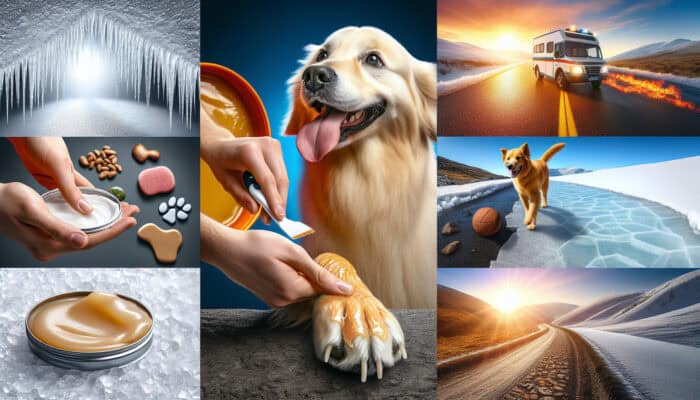
Paw wax serves as a meticulously crafted protective balm designed specifically to shield your pets, especially dogs, from harsh environmental conditions. This versatile product acts as a formidable barrier against extreme elements, including icy snow, scorching pavement, and rough surfaces. By forming an effective protective layer, paw wax not only keeps the paw pads moisturised but also safeguards them, which is vital for sustaining overall paw health. This straightforward yet powerful application process ensures that pets remain comfortable and active, regardless of the diverse terrains and climates they encounter. With a user-friendly application method, paw wax emerges as the ideal choice for daily use, enabling pet owners to effortlessly safeguard their cherished companions.
What Are the Essential Ingredients That Enhance Paw Wax Effectiveness?
When it comes to selecting a paw wax, it's vital to scrutinise its ingredient composition to ensure pet safety and the product's effectiveness. High-quality formulations typically feature natural oils and waxes that nourish and protect the paw pads while establishing a reliable barrier. These carefully selected ingredients aim to eliminate common allergens and irritants, guaranteeing a safe experience for your pet. Essential components frequently found in premium paw wax include:
- Beeswax: Creates a robust barrier against moisture and dirt.
- Coconut oil: Provides hydration and nourishment for the skin.
- Shea butter: Soothes and protects cracked paw pads.
- Olive oil: Rich in antioxidants, it promotes skin healing.
- Vitamin E: Enhances skin health and conditioning.
Selecting paw wax that contains these beneficial ingredients can dramatically enhance its protective capabilities while ensuring your pet's comfort during the application process.
What Are the Crucial Steps for Initial Paw Wax Application?
To attain an effective paw wax application, begin with a clean slate by thoroughly washing your pet's paws to eliminate any dirt, debris, or harmful salts that could impede adherence. Following the cleaning process, ensure the paws are completely dry before applying a thin, even layer of wax, covering the entire pad and the areas between the toes. This meticulous approach is essential for optimal protection, ensuring that the wax forms a seal that effectively shields against environmental stressors. By maintaining a consistent application routine, you will achieve superior results, leading to happier and healthier paws for your furry friend.
What Are the Remarkable Advantages of Regular Paw Wax Use?

Regularly using paw wax offers a multitude of benefits, particularly for pets that enjoy outdoor escapades. The primary advantage lies in sustained protection from harsh elements, including snow, ice, and hot pavement, which can lead to dry and cracked paws. Paw wax acts as a barrier that retains moisture, effectively preventing these issues from arising. Furthermore, frequent application can enhance your pet's mobility, as healthier paws facilitate easier movement with reduced discomfort. By minimising the risk of injuries such as cuts or burns, paw wax significantly contributes to overall paw health. For active pets exploring varied environments, incorporating this protective measure is vital to ensuring their comfort and wellbeing.
How Does Paw Wax Application Function to Safeguard Your Pet?
Discovering the Unique Protection Mechanism of Paw Wax
The efficacy of paw wax stems from its unique protective mechanism. Upon application, the wax forms a seal over the paw pads, effectively repelling moisture and debris while allowing the paw to breathe naturally. This innovative design helps prevent cracking and maintains the overall integrity of the paws during various activities. Moreover, the wax aids in regulating temperature, which is particularly crucial in extreme weather conditions. Understanding this mechanism can help pet owners appreciate the importance of regular application for ongoing paw health.
Why Should You Opt for Paw Wax Instead of Other Paw Protection Alternatives?
Many pet owners question why they should choose paw wax over other alternatives such as booties or sprays. The main advantage of wax lies in its non-toxic formulation and ease of application. Unlike booties, which may be uncomfortable or restrictive for certain pets, wax can be applied quickly and effortlessly without fuss. Additionally, it tends to outperform many spray alternatives by providing long-lasting protection, as it creates a more durable barrier. Moreover, wax is often more economical over time, requiring less frequent reapplication when used correctly, making it an excellent option for pet owners seeking effective and hassle-free protection.
What Factors Affect the Effectiveness of Paw Wax?
The effectiveness of paw wax can be influenced by numerous factors, including the frequency of application and the pet's exposure to different environmental conditions. For example, pets that frequently walk on hot pavement or icy surfaces may require more regular applications to maintain adequate protection. Additionally, factors such as the dog's activity level and the terrain they traverse can significantly impact the performance of the wax. Understanding these variables enables pet owners to customise their application routine for optimal results, ensuring maximum protective benefits for their furry companions.
What Are the Systematic Steps for Applying Paw Wax Effectively?
To achieve the best outcomes from paw wax application, it is crucial to follow a systematic approach. First, thoroughly clean the paw pads to remove any dirt or debris, as these can diminish the wax's effectiveness. After ensuring the paws are clean and dry, apply a thin, even layer of wax using your fingers or a soft cloth. Make sure to cover the entire pad and the spaces between the toes for comprehensive protection. Gently massage the wax into the pads to enhance absorption, allowing sufficient time for the wax to settle before engaging in outdoor activities. Regularly reapply the wax as needed due to wear and environmental exposure to keep your pet's paws protected at all times.
Expert Insights for Perfecting Paw Wax Application
How to Select Premium Paw Wax Products for Your Pet?
Choosing the right paw wax can seem overwhelming, given the plethora of products available in the market. Experts advise focusing on your pet's specific needs while evaluating various wax options. Look for products that contain certified organic ingredients and are free from harmful chemicals and allergens. A practical approach to selecting high-quality wax is to read product reviews and seek recommendations from veterinarians or pet care professionals. For instance, a veterinarian may suggest specific brands that have proven effective for various breeds or activity levels. This strategy ensures that the selected wax meets the safety and efficacy standards crucial for your pet's unique requirements.
What Are the Safe Techniques for Applying Paw Wax?
Properly applying paw wax is vital for ensuring your pet's safety and comfort. Correct techniques involve gently rubbing the wax onto the paw pads without applying excessive pressure, as this could cause irritation or discomfort. Consider your pet's size and sensitivity; smaller breeds may require a lighter touch compared to larger dogs. It is also essential to observe their reactions during application; if your pet shows signs of distress or discomfort, consider adjusting your technique or consulting a veterinarian for personalised advice. Incorporating these expert insights can enhance the safety and effectiveness of your paw wax application routine.
What Are the Long-Term Benefits of Consistent Paw Wax Use?
Regular application of paw wax yields substantial long-term benefits for your pet’s paw health. Over time, consistent use can lead to improved mobility and a noticeable decrease in veterinary visits related to paw injuries or irritations. For instance, pet owners who incorporate paw wax into their routines often report fewer issues with dryness and cracking, resulting in happier, more active pets. Furthermore, maintaining healthy paws can prevent severe complications like infections or painful abrasions, which can be costly and time-consuming to treat. By investing in routine paw care, such as wax application, you promote your pet's long-term health.
What Are the Best Practices for Successful Paw Wax Application?
How to Seamlessly Integrate Paw Wax into Your Daily Routine for Optimal Care?
Incorporating paw wax into your pet's daily regimen can significantly enhance their protection. Consider making it a regular part of your pre-walk or post-play care routine, as this timing ensures their paws are safeguarded before exposure to harsh elements. Consistency in application fosters a beneficial habit for both pets and their owners. Moreover, this routine enables early detection of potential paw issues, such as cuts or signs of irritation, helping to prevent more serious complications. By seamlessly integrating this practice into your pet care routine, you ensure your pet's paws stay healthy throughout the year.
What Is the Best Storage Method and Shelf Life of Paw Wax?
Proper storage of paw wax is crucial for maximising its usability and effectiveness. Keeping the wax in a cool, dry location prevents its properties from degrading or being compromised over time. Exposure to heat or moisture can diminish the wax’s protective qualities and shorten its shelf life. To ensure that you’re using a fresh product, periodically check the expiration date and note any changes in texture or smell. Adhering to these storage guidelines can help maintain the effectiveness of your paw wax, ensuring it remains a reliable option for your pet's paw care needs.
How to Monitor Your Pet's Response to Paw Wax for Optimal Comfort?
It is essential to observe your pet's response after applying paw wax to guarantee their comfort and the product's effectiveness. Look for signs indicating how well the wax is performing, such as excessive paw licking or signs of irritation, like redness. A practical way to monitor effectiveness is to watch for changes in your pet's behaviour, especially after walks or outdoor activities. Key signs to be aware of include:
- Redness or swelling around the paw pads.
- Excessive licking or chewing of the paws.
- Reluctance to walk or play.
- Visible cracks or excessive dryness.
Being attentive to these signs enables you to make necessary adjustments to your application techniques or product choices, ensuring optimal paw care for your pet.
Research-Backed Benefits of Regular Paw Wax Use
What Evidence Supports the Enhancement of Paw Health with Paw Wax?
Numerous studies indicate that utilising paw wax can significantly reduce inflammation and promote healing in pet paws. Research has shown that regular application can lead to noticeable improvements in skin condition, thus enhancing overall paw health over time. By forming a protective barrier, paw wax helps to prevent injuries that could lead to infections or other complications. Understanding the clinical findings reinforces the efficacy of paw wax as an essential component of pet care, highlighting its importance for pet owners seeking to maintain their pets' wellbeing.
What Preventive Role Does Paw Wax Play in Your Pet's Health?
Paw wax plays a critical preventive role by creating a barrier that protects against various environmental hazards. This protective layer helps prevent infections caused by cuts or abrasions that may occur when a pet walks on rough surfaces or through contaminated areas. The wax’s capability to function as a shield against harmful elements makes it an essential product for pet owners, especially in areas where environmental conditions fluctuate dramatically throughout the year. Using paw wax as a preventive measure can save pet owners time and resources by minimising the risk of future health issues.
How Do Benefits Vary Across Different Uses of Paw Wax?
The advantages of paw wax can differ depending on its application, such as protecting against weather extremes or abrasive surfaces. For instance, in colder climates, the wax serves as a crucial barrier against ice and snow, while in hotter regions, it offers protection against scorching pavement. Additionally, various formulations may provide differing benefits, such as enhanced moisturising properties or stronger barriers. Analysing these differences enables pet owners to select the best wax for their specific needs, ensuring tailored protection for their pets across diverse environments.
What Is the Long-Term Efficacy of Regular Paw Wax Use?
Research has demonstrated that consistent application of paw wax leads to long-lasting benefits for paw health. Regular use results in sustained reductions in issues such as dryness and cracking, with many pet owners reporting healthier paws over several months. Longitudinal studies indicate that pets using paw wax consistently experience fewer injuries and maintain better mobility compared to those who do not. These findings emphasise the importance of incorporating paw wax into a pet care routine to achieve enduring protective effects, ultimately enhancing pets' overall quality of life.
What Breed-Specific Benefits Can Paw Wax Provide?
Research indicates that paw wax can be particularly advantageous for specific dog breeds, especially those with sensitive paw pads like huskies or bulldogs. These breeds may face unique challenges, such as increased vulnerability to extreme temperatures or rugged terrains. Studies from breed-specific trials show that customised use of paw wax can enhance protection, ensuring the wax effectively addresses each breed's individual needs. This breed-focused approach to paw care empowers pet owners to make informed decisions about how best to apply paw wax, optimising its benefits for their furry companions.
Why Is It Essential to Protect Your Pet's Paws from Damage?
What Are the Risks Associated with Unprotected Paws?
Unprotected paws face serious risks from environmental elements, leading to potential damage and discomfort. Factors such as extreme temperatures, sharp objects, or harmful chemicals found on streets can result in injuries that may cause pain and lead to infections. The absence of adequate protection can compromise a pet's mobility and overall health, making it essential for owners to implement routine paw care. By understanding these risks, pet owners can better appreciate the significance of paw wax as a proactive measure in safeguarding their pets' wellbeing.
How to Identify Signs of Paw Distress in Your Pet?
Recognising signs of paw distress is crucial for preventing further complications. Indicators such as redness, swelling, or limping can signal that your pet is experiencing discomfort or pain in their paws. Early intervention is key to addressing issues before they escalate, so monitoring for these signs can prevent prolonged suffering in pets. If such symptoms are observed, owners should consider consulting with a veterinarian to determine the appropriate course of action. Being proactive in addressing these signs fosters a healthier environment for pets' paws.
How to Establish a Habit of Regular Paw Protection?
Creating a regular care routine for your pet's paws is vital for ensuring their long-term health. Making paw care a seamless part of pet maintenance can foster a protective habit that benefits both pets and owners. Strategies might include integrating paw wax application into daily walks or scheduled grooming times, ensuring that it becomes an expected part of your pet's care. Consistency in this routine not only cultivates good habits but also significantly enhances the protection and long-term health of your pet's paws.
What Common Mistakes Should Be Avoided in Paw Wax Application?
How to Prevent Over-Application Mistakes with Paw Wax?
A common mistake in paw wax application is over-applying the product. Excessive wax can lead to slippage, making it uncomfortable for pets to walk. It is essential to find the right balance by applying a minimal amount that still ensures effective coverage. Learning the correct dosage through practice can maximise the benefits while keeping your pet comfortable and secure during movement. Striking this balance is key to an effective and enjoyable paw care routine.
What Is the Significance of Cleaning Paws Prior to Wax Application?
Neglecting to clean paws before applying paw wax can significantly diminish its effectiveness. Dirt, grime, and moisture can hinder the wax from adhering properly and delivering the necessary protection. Always prioritise thoroughly cleaning the paws before application to maximise the benefits of the wax. This straightforward step ensures your pet receives the full advantages of the wax's protective properties, ultimately promoting healthier paws and a better overall experience.
What Are the Consequences of Irregular Paw Wax Use?
Inconsistency in applying paw wax can weaken protection and jeopardise paw health. Pets that do not receive regular applications become more susceptible to injuries and discomfort. Establishing a routine that ensures consistent application is essential, as lapses can lead to adverse effects. To prevent this, consider the following maintenance tips:
- Set reminders for the application.
- Integrate the application with routine grooming.
- Store the wax in an easily accessible location.
- Monitor environmental conditions to adjust application frequency as needed.
Implementing these strategies can help maintain consistent paw care and promote your pet's overall paw health.
How to Check for Allergies Before Using Paw Wax?
Overlooking the importance of allergy testing prior to paw wax application can lead to adverse reactions, such as skin irritations or more severe complications. Conducting a patch test before fully applying the product ensures that the wax is suitable for your pet. If you observe any signs of irritation during or after the test, discontinue use immediately. Always consult a veterinarian if you have concerns about the product's compatibility with your pet’s needs. Ensuring that the wax aligns with your pet’s health can greatly enhance the effectiveness and safety of paw care.
What Are the Proper Storage Guidelines for Paw Wax?
Improper storage of paw wax can significantly shorten its shelf life and diminish its efficacy. Exposure to heat or moisture can alter the wax's consistency, rendering it ineffective. It's crucial to store the product in a cool, dry environment to preserve its protective benefits. Regularly checking labels for storage guidelines will help ensure that your paw wax remains effective and ready for use. By taking these precautions, you can maximise the longevity and reliability of your paw care products, ultimately safeguarding your pet's paws.
How to Maintain Optimal Paw Health for Your Pet?
How to Adjust Wax Use for Seasonal Weather Changes?
Adapting paw wax application to seasonal changes is essential for providing year-round protection. In winter, the wax acts as a barrier against ice and snow, while in summer, it protects against hot surfaces. Regularly monitoring weather conditions and adjusting application frequency accordingly ensures that your pet's paws are always sufficiently protected. Understanding how seasonal variations affect your pet’s paw health helps you optimise the application process, ensuring your furry friend remains comfortable throughout the year.
How to Enhance Paw Health with Complementary Care Practices?
Pairing paw wax with other grooming practices can significantly improve your pet's overall paw health. Regular grooming, including trimming fur around the paw pads and checking for debris, can maximise the effectiveness of the wax. Additionally, providing a balanced diet rich in vitamins and minerals promotes healthy skin and paw pads, further complementing the protective benefits of the wax. By incorporating these complementary care practices into your routine, you create a holistic approach to maintaining your pet's paw health.
How to Evaluate the Longevity of Paw Wax Effects After Application?
Assessing how long the protective effects of paw wax last is crucial for effective paw care. After application, observe how your pet’s paws respond during walks or outdoor activities. If you notice signs of wear or discomfort, consider reapplying the wax more frequently. Regularly evaluating the longevity of the wax’s effects ensures that your pet remains protected and comfortable. By staying proactive in this evaluation, you can maintain your pet’s paw health and enhance their overall quality of life.
Common Inquiries Regarding Paw Wax Application
How often should I apply paw wax to my pet for optimal protection?
Regular application is recommended, particularly before outdoor activities. Depending on environmental factors, you may need to apply it daily or after each walk to ensure maximum protection.
Can I use paw wax on my cat as well?
While paw wax is primarily designed for dogs, certain formulations may be safe for cats. Always check the ingredients and consult your veterinarian before using it on your feline companion.
Is paw wax safe for my pet if ingested?
Most paw wax products are non-toxic; however, ingestion can still cause stomach upset. It's wise to monitor your pet to prevent excessive licking.
How do I determine if my pet is allergic to paw wax?
Watch for signs like redness, swelling, or excessive licking. If you notice these symptoms, discontinue use and consult your veterinarian for guidance.
Can I apply paw wax to my pet’s nose?
Some paw waxes are safe to use on noses, but always verify the formulation to ensure it's specifically designed for that area before application.
What should I do if my pet resists paw wax application?
Try making the application a positive experience by offering treats. Gradual desensitisation can help your pet become more comfortable with the process.
Is there a difference between dog and cat paw wax formulations?
Yes, dog paw wax is formulated for canine needs, while cat paw wax may contain different ingredients tailored for feline physiology.
How long does paw wax remain effective once applied?
Paw wax typically lasts several hours, but factors such as your pet's activity level and environmental conditions can affect its longevity.
Can I create my own homemade paw wax?
While homemade paw wax can be effective, ensure that all ingredients are safe for pets and consult with a veterinarian for guidance on suitable formulations.
What are the signs that my pet needs another paw wax application?
Signs include dry, cracked paw pads, limping, or reluctance to walk. Regular checks can help identify issues before they escalate.
Join us on Facebook today for more pet care tips!
The Article Paw Wax Application for Pet Protection: Key Benefits First Published On https://elgatoencasa.com
The Article Paw Wax Application: Essential Benefits for Pet Protection Was Found On https://limitsofstrategy.com