Master Essential Scissors and Clippers Techniques for Skillful Use
Understanding the Mechanics and Applications of Scissors and Clippers
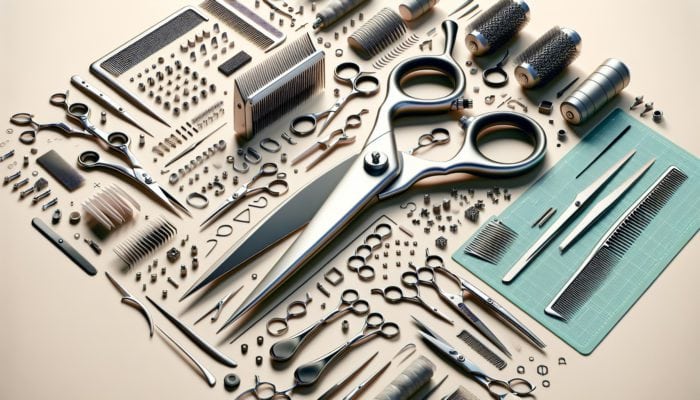
Practising with scissors and clippers is essential for gaining proficiency in a multitude of tasks spanning crafting, art, grooming, and personal care. Understanding the design and mechanics of these tools is crucial for anyone wishing to utilise them effectively and safely. Scissors generally consist of two blades that pivot around a central point, enabling precise and clean cuts. Conversely, clippers feature blades that operate through a shearing motion, making them ideal for hair cutting or trimming. Mastering the functionality of these tools unlocks a wealth of creative opportunities.
When selecting scissors and clippers, you will encounter a vast array of types, each specifically engineered for distinct applications. Below are some significant examples:
- Shears: Long-bladed scissors frequently used in textile work, ideal for cutting fabric with precision.
- Hair Clippers: Specially designed for hair trimming, available with various guard sizes to control length effectively.
- Embroidery Scissors: Compact and sharp, perfect for intricate fabric projects requiring attention to detail.
- Nail Scissors: Specifically shaped for meticulous nail grooming.
- Utility Scissors: Versatile tools suitable for a wide variety of cutting tasks.
- Curling Shears: Utilised in hairdressing to create texture and curls effortlessly.
- Craft Scissors: Designed for cutting paper, thin plastic, and other crafting materials with ease.
- Pruning Shears: Essential for trimming plants and managing small branches in gardening effectively.
Perfecting Essential Techniques for Precision Handling
Effective handling of scissors and clippers is vital for achieving high precision and maintaining safety during use. Employing appropriate techniques not only enhances cutting accuracy but also mitigates the risk of accidents. A significant factor in this is maintaining a comfortable grip that allows for optimal control of the tools. When using scissors, ensure you hold the handle firmly with your dominant hand while stabilising the material being cut with your other hand for added support. Similarly, when utilising clippers, it is crucial to maintain a steady grip to ensure stability and achieve uniform cuts.
Key handling techniques to incorporate include:
- Proper Grip: Position your fingers accurately for enhanced control and stability during use.
- Controlled Movements: Employ smooth, deliberate motions to improve cutting accuracy and effectiveness.
- Body Positioning: Maintain a comfortable stance that supports your hands and arms, reducing strain.
- Material Stability: Secure the material being cut to prevent slips and inaccuracies, ensuring a clean cut.
- Adjustment Awareness: Keep the tool's angle relative to the material in mind for optimal cutting results.
- Breath Control: Focus on steady breathing to help manage concentration and tension during cutting tasks.
- Regular Practice: Consistent usage builds muscle memory and enhances performance over time, leading to greater proficiency.
Implementing Critical Safety Precautions When Using Sharp Tools
Prioritising safety is paramount when managing sharp tools like scissors and clippers. Adhering to essential safety measures can significantly reduce the likelihood of accidents and injuries. Always ensure that your tools are in optimal condition; dull blades tend to slip, increasing the risk of injury. Furthermore, utilising scissors and clippers in well-lit environments improves visibility and minimizes cutting errors.
Consider adhering to these critical safety precautions:
- Cut Away from Your Body: Always direct the cutting edge away from your body to prevent accidental injury.
- Use a Cutting Mat: Protect surfaces and maintain tool integrity by employing a cutting mat during cutting activities.
- Keep Tools Closed: When not in use, ensure scissors and clippers are closed to prevent accidental cuts.
- Store Properly: Keep tools in a designated place, out of reach of children, to avoid accidents.
- Wear Protective Gear: Consider gloves or protective eyewear when necessary for added safety.
- Regular Inspection: Frequently check tools for wear and tear to ensure compliance with safety standards.
- Avoid Distractions: Maintain focus on the task at hand to enhance safety and precision in your cutting activities.
Ensuring Longevity through Effective Maintenance and Care
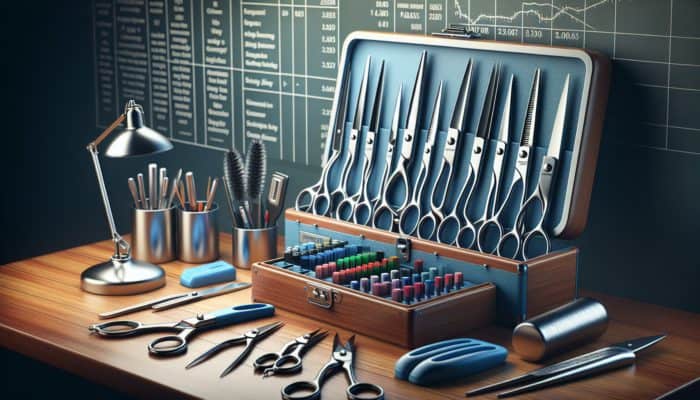
Regular maintenance is crucial for ensuring the longevity and optimal performance of your scissors and clippers. Keeping these tools clean, sharp, and correctly stored significantly enhances their effectiveness and lifespan. After each use, it is advisable to clean the blades to prevent the buildup of debris and residue. This practice not only assures better performance but also upholds hygiene, particularly for grooming tools.
To maintain the quality of scissors and clippers effectively, consider the following techniques:
- Cleaning: Wipe blades after each use with a damp cloth, using appropriate cleaning solutions for specific materials.
- Sharpening: Regularly sharpen blades to maintain precision and reduce strain during use, ensuring effectiveness.
- Oiling: Apply a light oil to the pivot points to ensure smooth operation and prevent rust.
- Storage: Keep tools in a protective case or drawer to prevent damage during storage.
- Inspection: Regularly check for loose screws or worn parts and make necessary repairs to ensure functionality.
- Temperature Considerations: Avoid storing tools in extreme temperatures that could affect material integrity and functionality.
- Professional Servicing: Occasionally take tools to a professional for thorough cleaning and sharpening, ensuring optimal performance.
Selecting the Right Tool for Your Specific Tasks
Choosing the appropriate scissors or clippers for specific tasks is paramount for achieving optimal results. Each type of tool is designed with unique features that cater to various cutting needs. For instance, hair clippers may come with adjustable length guards to accommodate different hairstyles, while fabric scissors are designed with longer blades for efficient cutting in textile work.
When selecting the ideal tool, consider the following factors:
- Task Type: Identify the specific cutting task to select the appropriate tools that meet your needs.
- Material Thickness: Assess the material thickness to ensure the tool can handle it effectively without exerting excessive force.
- Ergonomics: Choose tools that feel comfortable in your hand to minimise fatigue during prolonged use, enhancing your cutting experience.
- Blade Quality: Opt for high-quality materials that provide durability and precision, ensuring reliable performance.
- Adjustability: Look for tools with adjustable settings that offer versatility for a range of tasks and cutting styles.
- Safety Features: Select tools designed with safety features to enhance user protection and prevent accidents.
- Brand Reputation: Research brands known for producing reliable and high-quality cutting tools that meet industry standards.
Developing Fine Motor Skills Through Consistent Practice
Recognising the Importance of Fine Motor Skills in Tool Handling
Fine motor skills are critical for effectively managing scissors and clippers. These skills enable precise movements and improved control, significantly enhancing the quality of cuts and trims. Strong fine motor skills promote better coordination, allowing users to execute intricate tasks with ease. Cultivating these skills is particularly important in fields such as arts and crafts, hairdressing, and personal grooming, where precision is vital for successful outcomes.
Engaging in activities that foster fine motor skills can be especially beneficial. Some activities to consider include:
- Bead Threading: This simple task enhances dexterity and hand-eye coordination, making it an enjoyable practice.
- Origami: Folding paper into intricate shapes requires precision and control, promoting fine motor skill development.
- Using Tweezers: Picking up small objects with tweezers can improve grip strength and coordination, essential for tool handling.
- Clay Modelling: Manipulating clay improves finger strength and dexterity, aiding in overall hand control.
- Puzzle Assembly: Fitting pieces together enhances spatial awareness and hand coordination, encouraging critical thinking.
- Writing or Drawing: Regular practice helps improve grip and control over writing instruments, benefiting overall dexterity.
- Cooking Tasks: Chopping vegetables or kneading dough promotes the development of fine motor skills while engaging in enjoyable activities.
Exercises to Enhance Dexterity and Control
Regular practice of specific exercises can significantly enhance dexterity, which is essential for effective handling of scissors and clippers. Engaging in these activities helps develop the small muscles in the hands and fingers, promoting better control and precision. Incorporating a variety of tasks can prevent monotony and encourage steady improvement.
Some effective exercises to consider include:
- Finger Taps: Tap each finger against your thumb sequentially to improve coordination and finger independence.
- Hand Clapping: Clapping hands together at varying speeds can enhance agility and coordination among fingers.
- Grip Strengthening: Use a stress ball or grip trainer to strengthen hand muscles, essential for tool handling.
- Pencil Manipulation: Practice writing or doodling with a pencil to enhance control and dexterity during cutting tasks.
- Scissor Practice: Regularly cut through various materials to build muscle memory and confidence in your skills.
- Finger Painting: Engaging in finger painting can promote creativity and dexterity simultaneously.
- Ball Toss: Tossing and catching a small ball can improve hand-eye coordination and reaction times.
How Can Fine Motor Skills Be Accurately Assessed?
Assessing fine motor skills involves evaluating hand and finger movements to determine proficiency and areas for enhancement. Common assessment methods include various practical tests that measure coordination, dexterity, and overall control. These assessments can help identify specific strengths and weaknesses, guiding further practice and training.
Some common assessment methods include:
- Bead Threading Tasks: Evaluating the ability to thread beads onto a string can measure fine motor precision effectively.
- Puzzle Completion: Observing how quickly and accurately an individual assembles a puzzle can indicate motor skill levels and coordination.
- Scissors Cutting Exercises: Assessing proficiency in cutting along straight and curved lines provides insight into control and dexterity.
- Tweezers Activities: Tasks requiring the use of tweezers to pick up small items can gauge dexterity and precision.
- Drawing Shapes: Asking an individual to draw specific shapes can demonstrate control and precision in fine motor skills.
- Writing Tests: Evaluating handwriting quality and control can reflect fine motor skill levels and coordination.
- Manipulating Small Objects: Measuring the ability to manipulate and arrange small items can assess overall dexterity and hand strength.
Expert Insights on Enhancing Scissors and Clippers Handling
Recommended Practices from Industry Professionals
Experts across various fields that utilise scissors and clippers often recommend specific techniques to improve efficiency and accuracy. These insights stem from extensive experience and can significantly enhance the skills of both novices and seasoned users. Learning from professionals provides practical knowledge that can be directly applied to everyday tasks.
One widely endorsed technique is the “open and close” method, which encourages users to focus on the movement of the blades rather than the material being cut. This approach allows for greater control and precision, reducing the likelihood of mistakes. Another frequently highlighted technique is the importance of angling the tool appropriately; for instance, when cutting hair, angling the clippers can create softer, more blended lines for a natural look.
Real-world examples of professional techniques include:
- Using the comb as a guide: Hairdressers often use a comb to lift and separate hair, ensuring even cutting for a polished finish.
- Alternating grip: Experienced crafters may switch grips to manage fatigue during longer projects effectively.
- Adjusting pressure: Learning to apply varying amounts of pressure can enhance cutting precision and control.
- Practice with different materials: Professionals often recommend trying different materials to understand how the tool behaves in various contexts.
- Incorporating feedback: Seeking feedback from peers can help refine techniques and improve results over time.
- Staying updated: Engaging with new training and techniques through workshops helps maintain skill levels and knowledge.
- Utilising guides: Professionals often rely on tape or lines on the cutting surface for accurate cuts and alignment.
Avoiding Common Mistakes in Scissors and Clippers Handling
Recognising and understanding common mistakes is crucial for anyone aiming to improve their skills with scissors and clippers. By identifying frequent errors, users can avoid frustration and enhance their overall effectiveness. One prevalent mistake is applying excessive pressure while cutting, which can lead to uneven results or even damage to the tool.
Another common error is improper grip. A weak or incorrect grip can significantly hinder control and precision, making it difficult to achieve the desired outcome. Additionally, failing to secure the material being cut can result in slips and mistakes, undermining the user’s confidence and skill levels.
To correct these mistakes, consider the following strategies:
- Practice Proper Grip: Regularly check your grip for comfort and control to enhance cutting effectiveness.
- Control Pressure: Focus on applying only the necessary pressure to achieve a clean cut without damaging the material.
- Secure Materials: Always stabilise the material to prevent slips during cutting, ensuring accuracy and precision.
- Take Breaks: If you notice fatigue, take breaks to avoid mistakes from tiredness and maintain focus.
- Seek Guidance: Don’t hesitate to ask experienced users for tips to refine your techniques and enhance your skills.
- Maintain Tools: Regularly inspect and maintain your tools to enhance performance and prolong their lifespan.
- Reflect on Work: After completing a task, evaluate what worked and what didn’t to improve future efforts and techniques.
What Are the Latest Innovations in Scissors and Clippers Handling?
Staying informed about the latest innovations in scissors and clippers handling can significantly enhance one’s skills and adaptability. Emerging trends often highlight innovative techniques and tools that can simplify complex tasks or improve efficiency. One current trend is the increasing popularity of ergonomically designed tools that reduce strain and enhance comfort during use.
Another notable trend is the rise of multi-functional scissors and clippers, equipped with additional features such as adjustable blades or interchangeable heads. This versatility allows users to accomplish a wider range of tasks with a single tool, promoting efficiency and convenience. Additionally, online tutorials and workshops are becoming increasingly accessible, enabling users to learn and practice new techniques from the comfort of their homes.
Emerging trends include:
- Ergonomic designs: Focus on user comfort to reduce hand fatigue during prolonged use of tools.
- Multi-functional tools: Combine multiple functionalities into a single tool to enhance versatility.
- Eco-friendly materials: Growing use of sustainable materials in tool production for environmentally conscious consumers.
- Smart technology: Integration of technology for enhanced precision and safety in cutting.
- Online learning: Increased availability of digital resources for skill improvement and technique development.
- Customisation options: Tools that allow users to personalise grip and cutting preferences for enhanced comfort.
- Collaboration workshops: Opportunities for users to learn together, enhancing community skills and knowledge sharing.
Applications of Scissors and Clippers Across Different Fields
Utilising Scissors and Clippers in Crafting and Art Projects
Scissors and clippers are fundamental tools in crafting and art, essential for cutting a variety of materials, including paper, fabric, and even lightweight plastics. The effective use of scissors and clippers in crafting can yield professional-grade results, whether one is scrapbooking, quilting, or creating intricate designs. Mastering these tools enhances creativity and precision in artistic endeavours.
When using scissors and clippers for crafting, it is crucial to select the right tool for the material at hand. For instance, fabric scissors provide clean cuts that are essential for sewing projects, while craft scissors often feature decorative edges to create unique shapes in various projects.
Effective techniques for crafting include:
- Utilising templates: Stencils or templates can enhance precision and repeatability in projects, ensuring consistent results.
- Layering materials: Cut through multiple layers of paper or fabric to save time and enhance efficiency.
- Experimenting with cutting techniques: Try fringing or scalloping to add texture and interest to your projects.
- Stabilising materials: Use clips or weights to keep materials firmly in place while cutting for improved accuracy.
- Adapting to materials: Adjust your cutting technique based on the material's thickness and texture for optimal results.
- Practising clean cuts: Regular practice on scrap materials can improve cutting skills and boost confidence.
- Incorporating embellishments: Use scissors to create decorative edges and add flair to projects for a polished finish.
Scissors and Clippers in Grooming and Personal Care
The proper handling of scissors and clippers is essential for grooming and personal care. Whether trimming hair, nails, or even facial hair, effective use of these tools can greatly enhance one's grooming experience. Mastery of scissors and clippers not only improves aesthetic appeal but also supports personal hygiene and self-care.
In hair cutting, techniques can vary significantly based on hair type and desired style. Precision is key; thus, employing the right grip and angle can make a significant difference in achieving the intended look. Similarly, nail clippers require a steady hand and proper positioning to ensure a clean, straight cut without damaging the nail.
Effective grooming techniques include:
- Sectioning Hair: Divide hair into manageable sections to ensure even cutting and styling results.
- Using the Right Angle: Adjust the angle of your clippers to blend hair seamlessly and achieve a professional finish.
- Trimming Nails: Inspect the nail shape first to ensure a clean cut that enhances the nail’s appearance.
- Regular Tool Maintenance: Keep clippers and scissors sharp to prevent hair or nail damage and ensure effective performance.
- Working in Good Lighting: Adequate lighting helps maintain precision during grooming tasks, enhancing overall results.
- Seeking Professional Guidance: Consult with professionals to learn advanced techniques and improve your skills.
- Practising Regularly: Frequent practice can significantly enhance your grooming skills and boost your confidence.
How Are Scissors and Clippers Utilised in Professional Settings?
In professional environments, scissors and clippers are indispensable tools with a diverse range of applications. Their effective use can significantly influence the quality of work across various industries, including hairdressing, tailoring, crafting, and surgical procedures. Professionals depend on these tools to deliver precise outcomes while ensuring client satisfaction and safety in their work.
In hairdressing, scissors are the primary instrument for cutting and styling hair, with various techniques employed to achieve different looks. Conversely, clippers are often used for trimming hair—particularly for shorter styles—requiring a steady hand and a keen eye for detail. In crafting, professionals utilise scissors and clippers to create intricate designs and high-quality finished products, contributing to the overall success of their projects.
Professional applications encompass:
- Hair Cutting: Using scissors for styling and clippers for trimming to achieve the desired look.
- Tailoring: Employing specialised fabric scissors for cutting patterns accurately and effectively.
- Medical Use: Scissors designed for surgical procedures, emphasising precision and safety in medical environments.
- Gardening: Clippers are used to prune plants and manage growth, promoting healthy development.
- Art Projects: Scissors and clippers for creating professional artwork and designs.
- Manufacturing: Tools for producing goods with precision and consistency in various industries.
- Culinary Arts: Using scissors for food preparation or packaging, enhancing efficiency in the kitchen.
Understanding the Different Types of Scissors and Clippers
Exploring a Variety of Scissors and Clippers
Understanding the various types of scissors and clippers is essential for selecting the appropriate tool for specific tasks. Each type is designed with unique features tailored to particular cutting needs, enhancing effectiveness and efficiency. The wide array of designs allows users to choose tools that meet their specific requirements, whether for crafting, grooming, or professional applications.
Types of scissors include:
- Dressmaker's Shears: Utilised for cutting fabric in sewing and tailoring projects for clean and precise results.
- Kitchen Shears: Designed for food preparation, often featuring multiple functions to aid culinary tasks.
- Embroidery Scissors: Small, sharp, and ideal for intricate fabric work requiring precision.
- Hair Cutting Scissors: Tailored for hairdressers, featuring specific blade designs to achieve desired hairstyles.
For clippers, notable types include:
- Hair Clippers: Designed specifically for hair cutting and styling with various attachments for versatility.
- Beard Trimmers: Smaller clippers for facial hair grooming, offering precision and control.
- Nail Clippers: Unique designs for safely trimming nails and maintaining hygiene.
- Garden Clippers: Heavy-duty tools designed for plant care and maintenance in gardening.
What Factors Should You Consider When Purchasing Scissors and Clippers?
Selecting the appropriate scissors and clippers involves considering several critical factors to ensure you acquire the best tools for your needs. Each aspect plays a vital role in the tools' efficiency and effectiveness, shaping the user’s experience and overall satisfaction.
Key factors to consider when purchasing include:
- Purpose: Identify the specific tasks you will be performing to select the right tools for your needs.
- Handle Design: Consider ergonomic designs for comfort during extended use, reducing strain and fatigue.
- Blade Material: Choose high-quality materials for durability and sharpness, ensuring effective performance.
- Weight: Lighter tools can reduce fatigue over prolonged periods, while heavier options may offer stability for precise tasks.
- Adjustability: Tools with adjustable features can offer versatility for various tasks and cutting preferences.
- Brand Reputation: Research brands known for quality and reliability to ensure you invest wisely in cutting tools.
- Price Point: Balance cost and quality to ensure lasting performance without compromising safety and effectiveness.
Prioritising Maintenance and Care for Optimal Performance
Proper maintenance and care are paramount for extending the life and ensuring the optimal performance of scissors and clippers. Regular upkeep not only enhances functionality but also ensures safety during use. Developing a maintenance routine can significantly extend the lifespan of these tools, ensuring consistent and reliable performance over time.
Effective maintenance techniques include:
- Regular Cleaning: Wipe blades after each use to maintain hygiene and performance, preventing buildup of debris.
- Sharpening: Invest in a good sharpener to keep blades in optimal condition for effective cutting.
- Oiling: Apply a few drops of oil to pivot points to ensure smooth operation and prevent rusting.
- Proper Storage: Store tools in a protective case to prevent damage and ensure longevity.
- Routine Inspections: Regularly check for wear and tear to address issues promptly and maintain safety.
- Professional Servicing: Occasionally, take tools to experts for professional cleaning and sharpening to enhance performance.
- Temperature Awareness: Avoid exposing tools to extreme temperatures that could negatively affect their materials and function.
Exploring Safety Features and Ergonomics in Tool Design
Exploring safety features and ergonomic designs in scissors and clippers is essential to enhancing user comfort and reducing the risk of injury. Tools designed with safety in mind can significantly improve the overall experience, especially for prolonged tasks. Ergonomic designs can provide better grip and control, minimising strain on hands and wrists, which can be crucial during extensive use.
Safety features to consider include:
- Finger Guards: Protect fingers from accidental cuts during use, enhancing safety.
- Locking Mechanisms: Prevent accidental opening or closing of scissors and clippers, ensuring safe storage.
- Non-slip Handles: Ensure a firm grip, even with wet or oily hands, promoting safety during use.
- Rounded Tips: Reduce the risk of injury when using scissors for intricate tasks, particularly in delicate projects.
- Adjustable Handles: Allow users to customize the fit for maximum comfort and control during use.
- Lightweight Materials: Reduce fatigue during extended use, promoting safety and ease of handling.
- Clear Markings: Tools with clear measurement markings can enhance cutting precision and accuracy.
Research-Backed Benefits of Practising Scissors and Clippers Handling
Enhancing Cognitive Development Through Tool Engagement
Research indicates that practising scissors and clippers handling can greatly enhance cognitive development. Engaging with these tools stimulates brain function by requiring focus, coordination, and problem-solving skills. These tasks involve not only physical interactions but also cognitive processing, as users must plan and execute their cuts effectively, enhancing overall cognitive abilities.
To leverage the cognitive benefits of handling scissors and clippers, consider incorporating activities that challenge both fine motor skills and mental processes. For instance, crafting projects that require intricate cuts can promote planning skills and spatial awareness, contributing to cognitive growth.
Actionable steps for cognitive development through handling scissors and clippers include:
- Engage in complex crafting tasks that require detailed cutting and planning.
- Practice precision games that challenge hand-eye coordination and cognitive skills.
- Incorporate sequencing tasks, such as following a pattern to enhance cognitive processing.
- Utilise digital resources to learn new cutting techniques or styles, fostering skill advancement.
- Reflect on your progress by keeping a journal of projects to boost cognitive awareness.
- Encourage collaborative projects to enhance social cognitive skills and teamwork.
- Participate in workshops that focus on cutting and crafting techniques for personal development.
Improving Physical Coordination Through Regular Practice
Handling scissors and clippers requires significant physical coordination, which can improve with consistent practice. Studies suggest that frequent use of these tools can enhance hand-eye coordination and overall physical dexterity, essential skills for many daily tasks. The intricate movements involved in using scissors and clippers build muscle memory, allowing users to perform cuts with greater precision over time.
To improve physical coordination through scissors and clippers practice, consider engaging in targeted exercises and activities that challenge and develop these skills, enhancing overall dexterity.
Some effective strategies include:
- Focused practice sessions on cutting various materials to build muscle memory and improve coordination.
- Incorporating physical activities such as typing or playing musical instruments to enhance fine motor skills.
- Engaging in outdoor activities that require hand-eye coordination, such as throwing or catching for improved reflexes.
- Utilising technology, such as apps or games, designed to enhance coordination skills and engagement.
- Practising with different angles and grips to challenge dexterity and expand cutting skills.
- Regularly assessing progress to identify areas for improvement and track development.
- Participating in team sports that require coordinated movements to enhance physical skills.
What Are the Long-Term Benefits of Practising Scissors and Clippers Handling?
Long-term practice with scissors and clippers can yield enduring benefits beyond mere proficiency with the tools. Consistent engagement with these practices can cultivate confidence, enhance fine motor skills, and support cognitive function. Moreover, individuals who regularly handle scissors and clippers are likely to develop a deeper understanding of the tools and techniques involved, promoting ongoing skill development and refinement.
The sustained benefits of scissors and clippers handling include:
- Improved precision and confidence in cutting tasks across various applications.
- Advanced fine motor skills that can be applied to a wide range of activities and crafts.
- Enhanced cognitive abilities such as planning and problem-solving through regular engagement.
- Greater adaptability to new tools and techniques, fostering continued improvement.
- Increased enjoyment and satisfaction in creative and grooming activities, enhancing overall life quality.
- Opportunities for personal growth through skill mastery and self-improvement.
- Social connections formed through collaborative projects and shared interests, fostering community engagement.
Adapting Techniques for Different Age Groups
Guiding Children and Beginners in Safe Tool Handling
Teaching children and beginners to handle scissors and clippers requires specific techniques to ensure safety and effectiveness. Young learners often need guidance and encouragement to develop their skills, and adopting age-appropriate methods can facilitate a positive learning experience. Creating an environment where children feel secure as they learn to use these tools is essential for their confidence.
To safely teach scissors and clippers handling to children and beginners, consider the following techniques:
- Start with Safety Scissors: Use blunt-tipped scissors designed for beginners to reduce the risk of injury and promote safe handling.
- Demonstrate Proper Grip: Show how to hold scissors with control and comfort, ensuring a secure grip during use.
- Practice on Safe Materials: Begin with paper or lightweight materials that are easy to cut, fostering confidence in their abilities.
- Use Fun Projects: Incorporate creative projects that engage children’s interest, making learning enjoyable.
- Supervise Closely: Always supervise young learners during practice to ensure safety and provide assistance as needed.
- Encourage Patience: Teach children to take their time and focus on precision, fostering a sense of accomplishment.
- Celebrate Progress: Acknowledge achievements to build confidence and motivation in their skills.
Advanced Techniques for Adults and Intermediate Users
Adults and intermediate users can benefit from advanced techniques that enhance precision and efficiency in handling scissors and clippers. As users become more comfortable with the basics, they can explore new methods and tools to elevate their skills. Engaging in continuous learning helps maintain interest and fosters long-term improvement in their cutting abilities.
Techniques for adults and intermediate users include:
- Experimenting with Advanced Cuts: Explore layering methods or texturising techniques in hair cutting to achieve professional results.
- Incorporating Speed Techniques: Practice cutting quickly without sacrificing accuracy, enhancing efficiency in your work.
- Using Different Materials: Challenge yourself with various materials to understand tool performance and adaptability.
- Participating in Workshops: Attend classes or workshops to learn new skills and techniques from industry professionals.
- Engaging with Online Tutorials: Utilise online resources to discover innovative cutting methods and enhance your skill set.
- Seeking Feedback: Request input from peers to enhance your techniques and gain new perspectives on your work.
- Setting Goals: Establish specific, measurable goals to track progress and stay motivated as you refine your skills.
How Can Seniors Adapt to Scissors and Clippers Handling?
Seniors may require adaptations for handling scissors and clippers to accommodate age-related changes in dexterity and strength. Understanding these adaptations can significantly enhance their ability to use these tools effectively and safely. Emphasising comfort, safety, and ease of use can promote continued engagement with scissors and clippers, allowing seniors to maintain their independence.
Techniques that seniors can adopt include:
- Using Ergonomic Tools: Choose scissors and clippers designed for comfort and minimal strain, enhancing usability.
- Implementing Larger Grips: Opt for tools with larger handles to facilitate easier gripping and control.
- Practising with Lightweight Materials: Start with materials that require less force to cut, easing the cutting process.
- Engage in Strength Exercises: Perform gentle hand exercises to improve grip strength and dexterity over time.
- Utilising Anti-Slip Mats: Use mats to stabilise materials during cutting, enhancing safety and precision.
- Seeking Assistance: Encourage family members or caregivers to support you as you learn new techniques and build confidence.
- Regular Breaks: Incorporate breaks during practice to prevent fatigue and discomfort, ensuring a positive experience.
Enhancing Creativity Through Scissors and Clippers Handling
Exploring Creative Projects and Ideas
Scissors and clippers can be integral tools in various creative projects, providing opportunities for self-expression and artistic exploration. Engaging with these tools can unlock new dimensions of creativity, allowing individuals to experiment with different materials and techniques. From simple crafts to intricate art pieces, the potential for creativity is limitless when using scissors and clippers effectively.
To enhance creativity through scissors and clippers handling, consider these project ideas:
- Scrapbooking: Use scissors for decorative edges and layering materials, creating unique pages.
- DIY Home Decor: Create unique wall art or decorations using cut materials to personalise your space.
- Fashion Design: Experiment with fabric and design your own clothing or accessories for a unique style.
- Card Making: Craft custom greeting cards with scissors and embellishments to celebrate special occasions.
- Gift Wrapping: Use cutting techniques to create unique and attractive gift wraps that stand out.
- Nature Crafts: Incorporate natural materials, such as leaves or flowers, into artistic projects for an organic touch.
- Upcycling Projects: Transform old items into new creations through cutting and crafting, promoting sustainability.
What Role Do Scissors and Clippers Play in Artistic Expression?
Scissors and clippers are vital tools for artistic expression, enabling creators to bring their visions to life with precision. The versatility of these tools allows artists to manipulate a wide range of materials, enhancing their creative output significantly. Whether cutting paper for collages, fabric for garments, or even hair for sculptural designs, scissors and clippers are essential for achieving desired artistic effects.
The role of scissors and clippers in artistic expression is profound. They allow for:
- Precision Cutting: Achieving clean lines and intricate designs that enhance artistic quality.
- Material Transformation: The ability to reshape materials into artistic forms for creative projects.
- Creative Freedom: Encouraging experimentation with various styles and techniques, fostering innovation.
- Collaboration: Tools that enable group projects, fostering shared artistic expressions and community engagement.
- Visual Impact: Enhancing the aesthetic quality of artwork through cutting techniques and design.
- Functional Art: Creating items that are both beautiful and practical, merging utility with creativity.
- Exploration: Encouraging the discovery of new artistic mediums and methods for creative expression.
Combining Scissors and Clippers with Other Tools for Enhanced Creativity
Combining scissors and clippers with other tools can expand creative possibilities and elevate projects to new heights. By integrating various instruments, users can achieve more complex and detailed results, showcasing their skills and creativity. The versatility of scissors and clippers allows them to complement other tools effectively.
Consider the following strategies for combining scissors and clippers with other tools:
- Using Adhesives: Combine cutting with glue or other adhesives for layered projects that enhance depth.
- Incorporating Stamps: Use stamps alongside cut materials for enhanced design features and visual appeal.
- Pairing with Drawing Tools: Incorporate markers or paints with cut materials for added depth and creativity.
- Utilising Rulers and Stencils: Achieve greater precision in cutting shapes and lines for professional outcomes.
- Exploring Mixed Media: Combine materials such as fabric and paper to create unique projects that stand out.
- Collaborative Approaches: Work with fellow artists to blend skills and tools for innovative outcomes and shared creativity.
- Experimenting with Textures: Use tools that create a range of textures alongside cutting tools for dynamic visuals.
Essential Safety Tips for Creative Use of Scissors and Clippers
When engaging in creative projects with scissors and clippers, following essential safety tips is crucial to ensure a safe and enjoyable experience. The combination of creativity and sharp tools necessitates a mindful approach to prevent accidents and injuries.
Key safety tips include:
- Maintain Focus: Always pay attention to your cutting to avoid accidents and ensure accurate results.
- Secure Work Areas: Ensure that your workspace is clutter-free to prevent slips and accidents during use.
- Use Appropriate Tools: Select the right scissors or clippers for the material to ensure safer handling and effective cutting.
- Supervise Children: Always supervise children closely during creative projects to ensure safety and provide guidance.
- Wear Protective Gear: Consider using gloves or safety glasses when necessary to protect against potential injuries.
- Practice Safe Cutting Techniques: Always cut away from your body and keep fingers clear of the blades during use.
- Regularly Inspect Tools: Check for sharpness and damage before each use to maintain safety and performance.
Enhancing Fine Motor Skills Through Scissors and Clippers Handling
Handling scissors and clippers can significantly improve fine motor skills, which are essential for various activities. Engaging with these tools promotes hand-eye coordination, dexterity, and control, benefiting users in both artistic and practical pursuits. Regular practice can enhance one's ability to perform intricate tasks with confidence and precision, leading to overall skill improvement.
To enhance fine motor skills through scissors and clippers handling, consider these strategies:
- Engage in Regular Practice: Frequent cutting tasks can help refine skills and boost confidence in your abilities.
- Challenge Yourself: Attempt more complex cutting projects to push your abilities and enhance skill levels.
- Incorporate Mindfulness: Focus on the cutting process to enhance concentration and improve overall technique.
- Utilise Diverse Materials: Experiment with various materials to challenge coordination and develop adaptability.
- Set Specific Goals: Aim for mastery in specific cutting techniques to track progress and remain motivated.
- Utilise Games: Incorporate fun challenges that encourage fine motor skill development and engagement.
- Seek Feedback: Ask peers or instructors for input on your techniques to improve skills.
Addressing Challenges in Scissors and Clippers Handling
Identifying Common Difficulties and Effective Solutions
Handling scissors and clippers can present various challenges, particularly for beginners or those unfamiliar with these tools. Recognizing common difficulties can help users develop strategies for overcoming them, enhancing their overall effectiveness and confidence in using these tools. Addressing these challenges head-on promotes a more enjoyable and productive experience.
Some common difficulties include:
- Difficulty with Grip: Many beginners struggle to maintain a secure grip on scissors or clippers, hindering control.
- Control Issues: Inconsistent pressure can lead to uneven cuts and frustration during use.
- Material Slippage: Securing materials effectively can be challenging for many users, impacting accuracy.
- Fatigue: Prolonged use can lead to fatigue in the hands or wrists, diminishing performance.
- Fear of Injury: Anxiety about using sharp tools can hinder progress and confidence.
- Understanding Techniques: Beginners may struggle to grasp advanced techniques, affecting skill development.
- Maintenance Knowledge: Lack of understanding regarding tool maintenance can lead to performance issues and safety concerns.
To overcome these challenges, consider these solutions:
- Practice Good Grip Techniques: Regularly focus on grip to enhance control and confidence during use.
- Start Slow: Take time when cutting to develop confidence and improve technique gradually.
- Use Stabilising Tools: Employ clips or weights to secure materials during cutting, enhancing accuracy.
- Take Frequent Breaks: Rest your hands to reduce fatigue during lengthy tasks and maintain focus.
- Educate Yourself: Research safety and technique tips to alleviate fears and enhance understanding.
- Seek Instruction: Enrol in workshops or classes to learn advanced techniques and improve skill levels.
- Develop a Maintenance Routine: Regularly clean and sharpen tools for optimal performance and safety.
Adaptive Techniques for Individuals with Special Needs
Individuals with special needs may require adaptive techniques for handling scissors and clippers to ensure these tools can be used effectively and safely. Understanding and implementing adaptations can create opportunities for skill development and self-expression, fostering users' confidence and independence. Tailoring the learning experience to meet individual needs is crucial for success.
Some adaptive techniques to consider include:
- Using Adaptive Tools: Opt for specially designed scissors with larger grips or spring-loaded mechanisms for ease of use.
- Incorporating Visual Aids: Use pictures or diagrams to illustrate techniques and processes for better understanding.
- Implementing Modified Projects: Simplify tasks to accommodate skill levels and ensure success for individual learners.
- Utilising Hand-over-Hand Guidance: Offer assistance by guiding hands during practice to promote confidence and skill development.
- Practising Patience: Allow ample time for learning and skill development without pressure to enhance confidence.
- Encouraging Peer Support: Foster collaboration with peers for shared learning experiences and skill enhancement.
- Regularly Assessing Progress: Evaluate skills and adjust techniques or tools accordingly to ensure ongoing improvement.
How Can You Effectively Improve Your Scissors and Clippers Handling Skills?
Improving scissors and clippers handling skills requires a combination of practice, dedication, and strategic learning. Regularly engaging with these tools while seeking new techniques can significantly enhance proficiency and confidence. Adopting a structured approach to skill development can lead to noticeable improvements over time.
Effective strategies for enhancing scissors and clippers handling skills include:
- Engaging in Regular Practice: Make time for practice sessions to refine skills and boost confidence.
- Setting Specific Goals: Establish clear objectives to guide your learning process and track progress effectively.
- Utilising Online Resources: Explore tutorials and videos for new techniques and tips to enhance your skills.
- Seeking Feedback: Request input from experienced users or instructors to identify areas for improvement and refine techniques.
- Experimenting with Various Materials: Challenge yourself with different materials to enhance versatility and adaptability.
- Participating in Workshops: Attend classes or workshops to learn from experts and gain new insights.
- Tracking Your Progress: Keep a journal to document achievements and areas for growth, promoting self-reflection.
Frequently Asked Questions About Scissors and Clippers
What types of scissors are best for beginners?
For beginners, safety scissors with rounded tips and ergonomic handles are ideal. They provide a secure grip, reduce the risk of injury, and allow users to practice basic cutting skills effectively.
How often should I sharpen my scissors and clippers?
Sharpening scissors and clippers should be done regularly, typically after every 10-15 uses or whenever cutting becomes less effective. Maintaining sharp blades ensures precision and reduces strain during use.
What is the best way to clean scissors and clippers?
Clean scissors and clippers with a damp cloth after use. For deeper cleaning, use mild soap and water, ensuring to dry them thoroughly to prevent rust and maintain hygiene.
How can I improve my grip on scissors and clippers?
To improve grip, practice holding the tools correctly and consider using tools designed with ergonomic handles. Regular hand-strengthening exercises can also enhance grip strength and control.
What are the most common mistakes when using scissors and clippers?
Common mistakes include an improper grip, excessive pressure, and failing to secure materials properly. Awareness of these errors can help users develop better techniques and enhance cutting quality.
Can children use scissors and clippers safely?
Yes, children can use scissors and clippers safely under supervision. Start with safety scissors and teach them proper techniques to ensure a safe learning experience and build confidence.
What are the benefits of using ergonomic scissors and clippers?
Ergonomic scissors and clippers reduce strain on the hands and wrists, promoting comfort during prolonged use. They can enhance precision and prevent fatigue, making them ideal for extended tasks.
How can I assess my fine motor skills?
Assess fine motor skills through activities like threading beads, cutting along lines, or completing puzzles. Evaluating performance in these tasks can provide insight into coordination and dexterity levels.
Are there specific scissors and clippers for different materials?
Yes, specific scissors and clippers are designed for various materials, such as fabric scissors for textiles and utility scissors for tougher materials. Choosing the right tool enhances cutting efficiency and effectiveness.
What are some creative projects to try with scissors and clippers?
Creative projects with scissors and clippers include scrapbooking, DIY home decor, fashion design, and card making. These activities allow for artistic expression while developing cutting skills and enhancing creativity.
Connect with us on Facebook!
The Article: Practising Scissors and Clippers Handling: Essential Techniques appeared first on Amitys Hair Salon.
The Article Scissors and Clippers Handling: Key Techniques for Mastery Was Found On https://limitsofstrategy.com