Comprehensive Insights into Coeliac Testing in Stroud
What Is Coeliac Disease and How Does It Impact Your Health?
Private Coeliac Test in Stroud: Coeliac disease is a serious autoimmune disorder that profoundly affects the small intestine, triggered by gluten, a protein commonly found in grains such as wheat, barley, and rye. This condition is prevalent, impacting roughly 1% of the UK population, making it a significant health concern. Those affected experience an immune response that damages the intestinal lining, leading to a range of digestive problems and nutritional deficiencies, which can have long-lasting effects on their overall health.
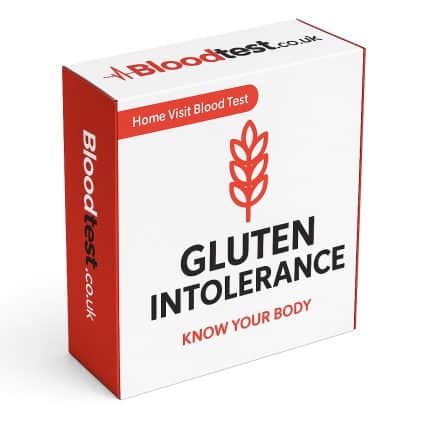

The symptoms associated with coeliac disease can vary significantly from person to person, highlighting the necessity of early diagnosis through testing in Stroud. Key symptoms to monitor include:
- Diarrhoea – Frequent loose stools can indicate malabsorption issues.
- Weight loss – Unexplained weight loss may signal nutritional deficiencies.
- Fatigue – Persistent tiredness can stem from inadequate nutrient absorption.
- Bloating – Abdominal swelling can accompany gluten consumption.
- Anemia – Iron deficiency can occur due to malabsorption.
- Abdominal pain – Discomfort may arise after eating gluten-containing foods.
Recognising these symptoms is vital, as they can drastically affect an individual’s quality of life. Timely testing can assist in managing these symptoms effectively, leading to improved overall health and well-being.
How Can You Get Tested for Coeliac Disease in Stroud?
The testing process for coeliac disease typically includes specific blood tests and, if required, biopsies, which are available through the NHS services in Stroud. The initial blood test measures specific antibodies that are often elevated in patients diagnosed with coeliac disease. If the blood test indicates a potential diagnosis, an endoscopy may be performed to obtain a biopsy from the small intestine, which provides a definitive diagnosis. This methodical approach ensures that patients receive accurate diagnoses and can commence appropriate treatments without unwarranted delays.
What Testing Options Are Accessible for Residents in Stroud?
Various clinics in Stroud offer coeliac tests through local GPs. Patients can obtain referrals for serological tests that evaluate antibodies associated with coeliac disease. The availability of these services ensures that residents can seek help without significant delays, contributing to a more effective healthcare environment. Local clinics are well-equipped to conduct these tests, thereby enhancing the community’s overall health and well-being.
How to Effectively Interpret Coeliac Test Results
Understanding coeliac test results in Stroud requires a thorough analysis of blood test outcomes along with any subsequent biopsy findings. A positive test result indicates that the individual has gluten intolerance, necessitating significant dietary changes to eliminate gluten from their meals. Conversely, a negative result does not definitively exclude coeliac disease; further investigations may be necessary if symptoms persist. Local GPs are essential in assisting patients in interpreting these results and recommending appropriate next steps for effective management of the condition.
Where Can You Find Support and Resources for Coeliac Disease in Stroud?
Individuals who have undergone testing for coeliac disease in Stroud can access a variety of support resources. The NHS provides helplines where patients can seek advice, alongside local dietitian services specialising in gluten-free living. Additionally, community support groups offer invaluable assistance through shared experiences and practical advice on adapting to a gluten-free lifestyle. These resources can greatly facilitate the adjustment for those diagnosed, providing crucial nutritional guidance and fostering a supportive community atmosphere.
How Should You Prepare for Coeliac Testing in Stroud?
Key Dietary Considerations Before Undergoing Coeliac Testing
Prior to taking a coeliac test in Stroud, it is crucial to maintain a regular intake of gluten to ensure accurate test results. According to UK health guidelines, patients should avoid eliminating gluten from their diets before testing, as this can result in false-negative results. Proper preparation is essential since healthcare professionals depend on the presence of antibodies, which are typically detectable only when gluten is actively consumed. Patients are advised to include a variety of gluten-containing foods in their diet in the weeks leading up to their testing date to guarantee the reliability of their results.
How to Locate a Suitable Clinic for Coeliac Testing in Stroud
Identifying a suitable clinic in Stroud for coeliac testing is straightforward and efficient. Patients can use local NHS resources to find clinics that provide these essential services, ensuring they receive care from experienced healthcare professionals. Scheduling an appointment at a nearby facility not only facilitates timely health checks but also allows for quicker access to results and subsequent treatment plans. Researching reviews and recommendations from individuals who have undergone similar tests can further guide this decision, ultimately leading to a more satisfactory healthcare experience.
What Can You Expect During the Coeliac Test Procedure?
The testing procedure in Stroud generally starts with an initial blood sample taken to check for antibodies associated with coeliac disease. If the blood test suggests a likelihood of the condition, patients may then undergo an endoscopy, which is performed under anaesthetic. This routine process enables direct examination of the small intestine and allows for the possibility of taking a biopsy for further analysis. Patients should expect a professional and supportive environment where their comfort and health are prioritised throughout the testing process.
Your Expert Guide to Coeliac Testing in Stroud
A Step-by-Step Approach to Coeliac Diagnosis
To effectively arrange a coeliac test in Stroud, patients can follow a systematic approach. Here are actionable steps to guide them:
- Book an appointment with a local GP to discuss any symptoms experienced.
- Request a referral for a blood test specifically targeted at coeliac disease.
- Attend the blood test at the designated clinic as scheduled.
- If necessary, prepare for an endoscopy based on the blood test results.
- Consult with the GP to accurately interpret the results.
- Follow up on dietary recommendations and additional testing if required.
By adhering to these clear steps, patients can take control of their health and ensure a comprehensive approach to diagnosis and management.
Why Is Early Detection of Coeliac Disease Essential for Your Health?
Early detection of coeliac disease through testing in Stroud is crucial for preventing long-term complications. Timely identification of the condition allows for prompt intervention before more severe health issues develop, such as intestinal damage or nutritional deficiencies. This proactive approach to health management underscores the importance of being vigilant about symptoms and seeking tests early. Awareness and timely action are vital for maintaining overall health and well-being.
Key Symptoms to Monitor for Coeliac Disease
Individuals should remain attentive to symptoms that may necessitate a coeliac test in Stroud. Symptoms such as bloating, chronic fatigue, and anaemia can indicate potential gluten-related issues. Expert insights from UK medical studies indicate that recognising these signs early can lead to more favourable health outcomes. Individuals experiencing these symptoms should not hesitate to consult with their GP, as early intervention can significantly impact their quality of life and overall health.
Recommended Dietary Adjustments for Coeliac Management
Experts in Stroud emphasise the importance of adhering to a strict gluten-free diet for individuals diagnosed with coeliac disease. Research and clinical guidelines recommend avoiding foods containing wheat, barley, and rye, and carefully reading product labels to prevent gluten contamination. Sourcing local gluten-free options, whether from supermarkets or specialist stores, can greatly facilitate this transition. Consulting with dietitians can provide personalised meal plans, ensuring that individuals maintain a balanced diet while avoiding gluten and preventing complications associated with the disease.
How to Identify Local Specialists and Clinics for Coeliac Disease in Stroud
Finding healthcare providers in Stroud who specialise in coeliac disease is essential for patients seeking comprehensive care. Local clinics and specialists can facilitate timely consultations, advanced testing, and integrated care plans tailored to individual needs. By utilising expert directories, patients can ensure they receive the most appropriate care for their condition, thereby enhancing their management of coeliac disease and improving their overall health outcomes.
Research-Backed Benefits of Coeliac Testing in Stroud
How Coeliac Testing Enhances Patients’ Quality of Life
Research indicates that coeliac testing in Stroud significantly improves dietary management and overall health for individuals. By diagnosing the condition early, patients can implement dietary changes that mitigate the risks of related health issues, such as osteoporosis and other autoimmune disorders. This proactive approach, encouraged by testing, not only alleviates symptoms but also enhances quality of life, empowering individuals to engage more fully in daily activities without the burdens of unmanaged coeliac disease.
What Are the Accuracy Rates of Coeliac Tests in Stroud?
The accuracy rates for coeliac tests in Stroud are impressively high, particularly with modern testing methods that are both sensitive and specific. These advancements ensure that the results provided are reliable, instilling confidence in patients regarding their diagnoses. Accurate testing is essential, as it directly influences the management plan and dietary adjustments that individuals must adopt to improve their health outcomes.
Long-Term Health Outcomes Following Coeliac Testing
Post-testing support in Stroud is vital for assisting patients in adopting a gluten-free diet, which is critical for enhancing overall well-being. Studies show that individuals who receive adequate guidance and support following diagnosis are more likely to adhere to their dietary restrictions and experience improved health markers over time. This evidence-based approach to coeliac disease management not only helps prevent long-term complications but also supports patients in leading healthier lives.
Cost-Effectiveness of Coeliac Testing in Stroud
UK research has demonstrated the cost-effectiveness of coeliac testing in Stroud, highlighting its role in reducing long-term healthcare costs associated with complications arising from untreated coeliac disease. Efficient use of NHS resources through early testing and diagnosis leads to better health outcomes for patients and ultimately benefits the healthcare system as a whole. By preventing complications resulting from unmanaged coeliac disease, both patients and the NHS can achieve significant savings alongside improved care quality.
What Do Results Indicate for Coeliac Testing in Stroud?
How to Effectively Interpret Positive Test Results
If a coeliac test in Stroud returns positive, it signifies gluten intolerance. Patients will need to implement substantial dietary modifications to eliminate gluten from their diets. Follow-up consultations with UK healthcare providers are crucial to ensure that patients receive adequate guidance and support in managing this condition effectively. This proactive approach is vital for averting further health complications.
What Should You Do If You Receive Negative Test Outcomes?
A negative result from coeliac testing in Stroud may suggest that the patient does not have the condition; however, if symptoms persist, further investigations may be necessary according to local guidelines. Individuals must remain vigilant about their health and continue consulting with their GP to explore alternative diagnoses or management strategies. Ongoing communication with healthcare professionals is essential for achieving optimal health outcomes.
What Are the Follow-Up Procedures After Coeliac Testing?
After receiving the results of coeliac testing, patients in Stroud should seek consultations with specialists to discuss their findings and receive comprehensive care. Adhering to established UK protocols ensures that individuals have access to ongoing support and management strategies tailored to their specific needs. Regular follow-ups are crucial for maintaining effective management of coeliac disease, allowing for adjustments based on patient progress and emerging health concerns.
Next Steps After Receiving a Coeliac Disease Diagnosis
How to Effectively Manage Your Coeliac Disease Diagnosis
Upon receiving a diagnosis of coeliac disease, adopting a strict gluten-free diet is absolutely essential. Support from local resources in Stroud can help individuals maintain their health by guiding dietary choices and lifestyle adjustments in line with UK recommendations. This transition is crucial for managing symptoms and ensuring long-term health.
What Support Resources Are Available for Coeliac Patients in Stroud?
Accessing groups and services in Stroud dedicated to coeliac patients provides essential education and community support to navigate the challenges of daily life with the condition. These resources may include workshops, informational sessions, and social events that foster community engagement and provide practical advice on living gluten-free. Engaging with these support systems can significantly enhance an individual’s ability to manage life with coeliac disease.
Why Is Ongoing Health Monitoring Crucial for Coeliac Patients?
Regular check-ups in Stroud are vital for ensuring that coeliac management remains effective over time. Patients should schedule periodic evaluations to monitor their health status and receive guidance on any necessary dietary adjustments. These proactive measures are crucial for optimising health outcomes and adapting management strategies based on individual progress within the UK healthcare framework.
Frequently Asked Questions About Coeliac Testing in Stroud
What Does the Coeliac Test Process Involve in Stroud?
The coeliac test process in Stroud generally includes an initial blood test followed by an endoscopy if necessary. This comprehensive approach ensures accurate diagnosis and effective management of the condition.
How Long Will It Take to Get Coeliac Test Results?
Results for coeliac tests in Stroud are typically available within a few weeks. The exact timeline may vary depending on the specific tests conducted and the laboratory processing time.
Can I Consume Gluten Before Getting Tested for Coeliac Disease?
Yes, it is essential to maintain a normal gluten intake before testing to ensure accurate results. Eliminating gluten before testing can lead to false-negative outcomes.
Are Gluten-Free Options Available in Stroud?
Yes, Stroud offers a variety of gluten-free options in local supermarkets and health food stores, as well as restaurants catering to gluten-free diets.
How Can I Find a Specialist for Coeliac Disease in Stroud?
Patients can locate specialists for coeliac disease in Stroud by consulting with local NHS resources, exploring directories, and seeking recommendations from their GPs.
What Should I Do If My Coeliac Test Is Negative but I Still Have Symptoms?
If your coeliac test is negative but symptoms persist, consult your GP for further evaluation and potential additional testing to explore other possible diagnoses.
Is There Dietitian Service Available in Stroud?
Yes, Stroud has local dietitian services that specialise in coeliac disease and can provide tailored nutritional advice to assist in managing the condition.
How Frequently Should I Have Follow-Up Appointments for Coeliac Disease?
Follow-up appointments for coeliac disease should be scheduled regularly, typically every 6 to 12 months, to monitor health and dietary adherence.
What Are the Long-Term Health Risks of Untreated Coeliac Disease?
Untreated coeliac disease can lead to severe health complications, including osteoporosis, infertility, and an increased risk of certain cancers, highlighting the importance of early diagnosis and management.
Can Children Be Tested for Coeliac Disease in Stroud?
Yes, children can be tested for coeliac disease in Stroud, and it is advisable to seek testing if they exhibit symptoms associated with the condition.
Visit our Facebook page!
This Article Was First Found On https://bloodtest.co.uk
The Article Coeliac Test in Stroud: A Comprehensive Testing Guide found first on https://electroquench.com